
Kindergarten Skills Checklist
When parents start thinking about kindergarten skills, communication is usually one of the first areas that comes to mind. And for good reason! Being able to speak clearly, share ideas, and connect with others helps your children thrive inside and outside the classroom. These early conversations become the foundation for reading, writing, and learning: it all starts here.
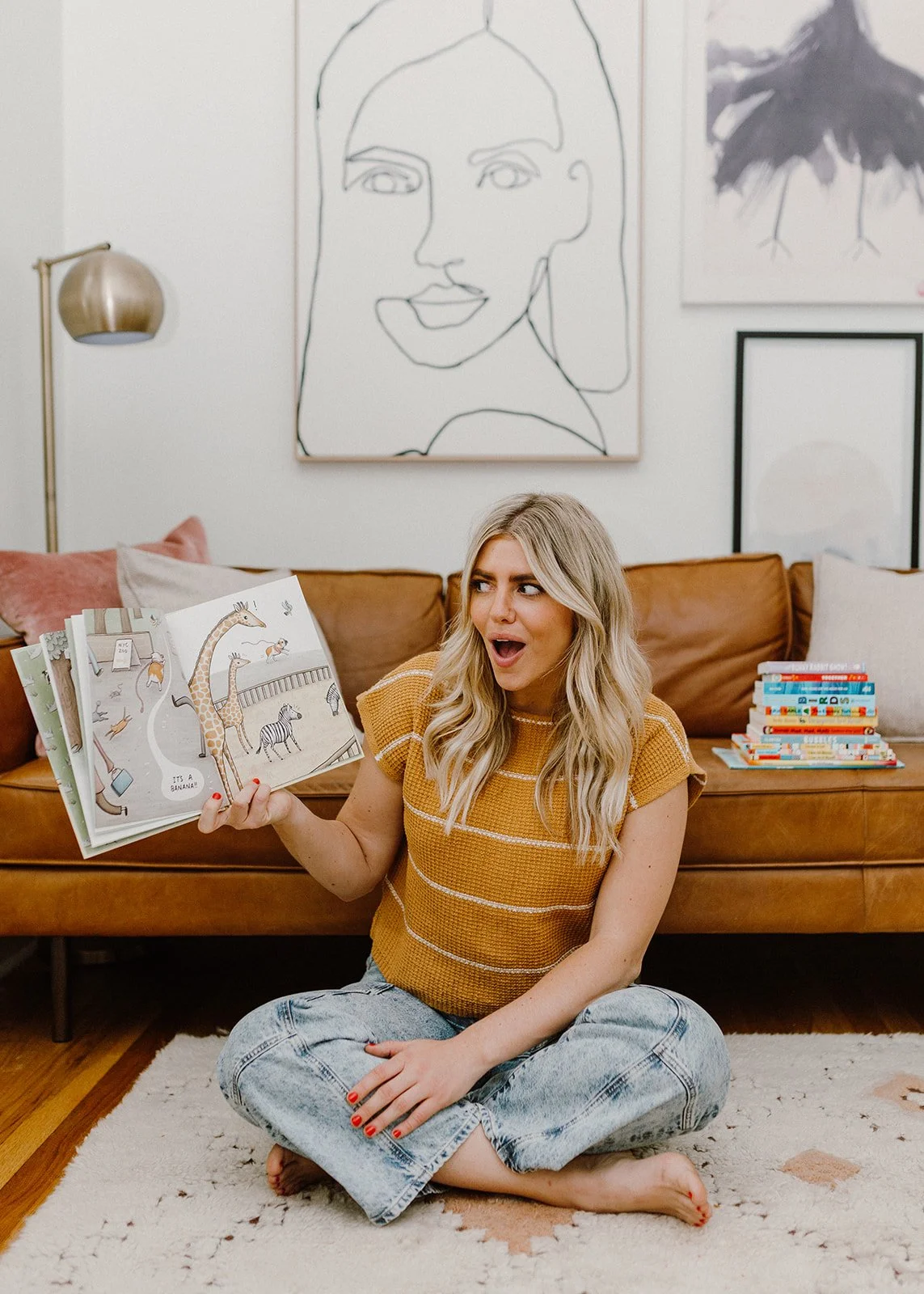
If you’re new here, hi! I’m Miss Beth. Through Big City Readers, I’ve helped thousands of families raise confident readers using a mix of research-backed strategies, the Orton-Gillingham method, and lots of play. My goal is to make learning to read joyful and stress-free for both you and your child, turning everyday moments into opportunities to grow strong early literacy skills.
P.S. If your little one is gearing up for kindergarten, our Kindergarten Ready course is the perfect next step! It’s filled with guided video lessons that help children build confidence in communication, social skills, and early reading through fun, everyday learning.
Let’s Talk! Kindergarten Skills Start With Communication
Communication skills are the foundation of how your child expresses themselves and connects with the people around them. They allow kindergarteners to follow instructions, ask questions, and explain their thinking. (Psst… These are skills that directly impact reading and writing development!)
Here’s what you can expect as your child develops their kindergarten skills:
Speak in complete sentences most of the time
Ask and answer questions
Express needs and wants clearly
Make comparisons and connections between ideas
Describe people, places, and things with detail
These skills don’t develop all at once, and that’s okay. Every child builds them at their own pace through things like conversation, storytelling, and play.
Kindergarten Skills Checklist: Communication First
When we think about kindergarten skills, communication always comes first. It might sound simple, but it’s made up of so many little parts that grow over time. Before you know it, your child goes from naming colors and objects to telling stories and explaining their thinking!
Here’s a closer look at what strong communication skills look like for kindergarteners, and how you can start practicing them at home.
Speaking in Complete Sentences
By kindergarten, most children can express full thoughts using simple, complete sentences. This skill shows that your child understands how to connect words meaningfully, which is an early sign that their language comprehension is growing strong.
When kids can describe what they want or explain what happened in a complete sentence, they’re practicing the same sequencing and structure skills they’ll soon use in writing.
Try this:
Ask open-ended questions like, “What did you build with your blocks?” or “What made you laugh today?”
Model full sentences in your own speech: “I’m pouring juice into my cup,” instead of “Juice, please.”
Encourage retelling stories from books or daily events in order (“First we went to the park, then we had lunch, and after that we took a nap”).
Expressing Needs and Wants
Being able to express needs and wants clearly is one of the most important kindergarten skills. It builds confidence and independence: two things your child will rely on in the classroom.
Whether they’re asking to use the bathroom or telling a friend how they feel, this kind of communication helps children feel secure and connected to others.
Try this:
Practice using “I” statements together: “I need help,” or “I feel hungry.”
When your child points or whines, gently model the words they could use instead.
Create short role-plays, like pretending to ask a teacher for help or ordering a snack at a restaurant.
Making Connections and Comparisons
When your child starts noticing how things are the same or different (“That dog looks like Nana’s dog!”), it’s a sign they’re developing analytical and relational thinking. These skills later translate into comprehension and inference when they’re reading.
Making connections also helps your children engage more deeply with stories, new experiences, and classroom routines.
Try this:
While reading, ask, “Does this story remind you of something we’ve done before?”
During errands or walks, point out similarities (“These apples look like the ones we picked at the farm!”).
Talk about differences: “How is this building different from the one near our house?”
Describing Objects and Experiences
Descriptive language builds vocabulary and helps your child explain their world with confidence. Using adjectives and sensory details also supports comprehension.
They’re learning to notice, name, and categorize what they experience. When kids describe familiar objects or people, they strengthen the same language systems that support storytelling and later writing.
Try this:
Play I Spy with colors or textures (“I spy something red and shiny”).
Ask your child to describe their favorite toy: “Tell me three things about your teddy bear.”
Model rich descriptions: “My shirt is green, has white stripes, and long sleeves – what about yours?”
The Bigger Picture: Other Kindergarten-Ready Skills
Communication is important, but it’s also part of a much broader set of kindergarten skills that work together to support your little one’s learning. Alongside language, children also develop:
Social-emotional skills: Sharing, taking turns, and showing empathy.
Fine motor skills: Holding a pencil, cutting with scissors, zipping jackets.
Cognitive skills: Recognizing letters, numbers, and patterns.
Self-regulation: Following routines, managing transitions, and problem-solving.
If you’re thinking through your child’s kindergarten readiness, this episode of the Play on Words podcast is a must-listen! I sat down with principal Jon Arens to unpack the factors that go into starting kindergarten and answer parent questions about what readiness really looks like.
Your Next Step Toward Kindergarten Confidence
Communication is one of the most important kindergarten skills your child will ever develop. It’s what lets them connect with their classmates and make sense of the world around them.
As you support these skills at home, remember: it doesn’t need to be perfect or formal. Keep it fun, keep it conversational, and celebrate their progress along the way. Every time your child shares a thought or asks a question, they’re growing.
And don’t forget, our Kindergarten Ready course is a great next step if you want your child to start school feeling confident and prepared. It’s full of research-backed lessons that build communication and early literacy skills through fun, everyday learning you can do together.
Learning is all about connection! Try a few of these ideas at home, then share in the comments what worked best for your family.


I’m the founder of BCR, host of the Play on Words podcast, a consultant for the Chicago Public Library, and more! On the blog, I regularly share my tips, insights, and knowledge on early literacy.

The Latest Posts





grab Miss Beth’s ABC booklist
a free, downloadable list of more than 15 of Miss Beth’s favorite books for teaching your child their ABC’s
