Pencil Grasp Tricks for Preschoolers Learning to Write
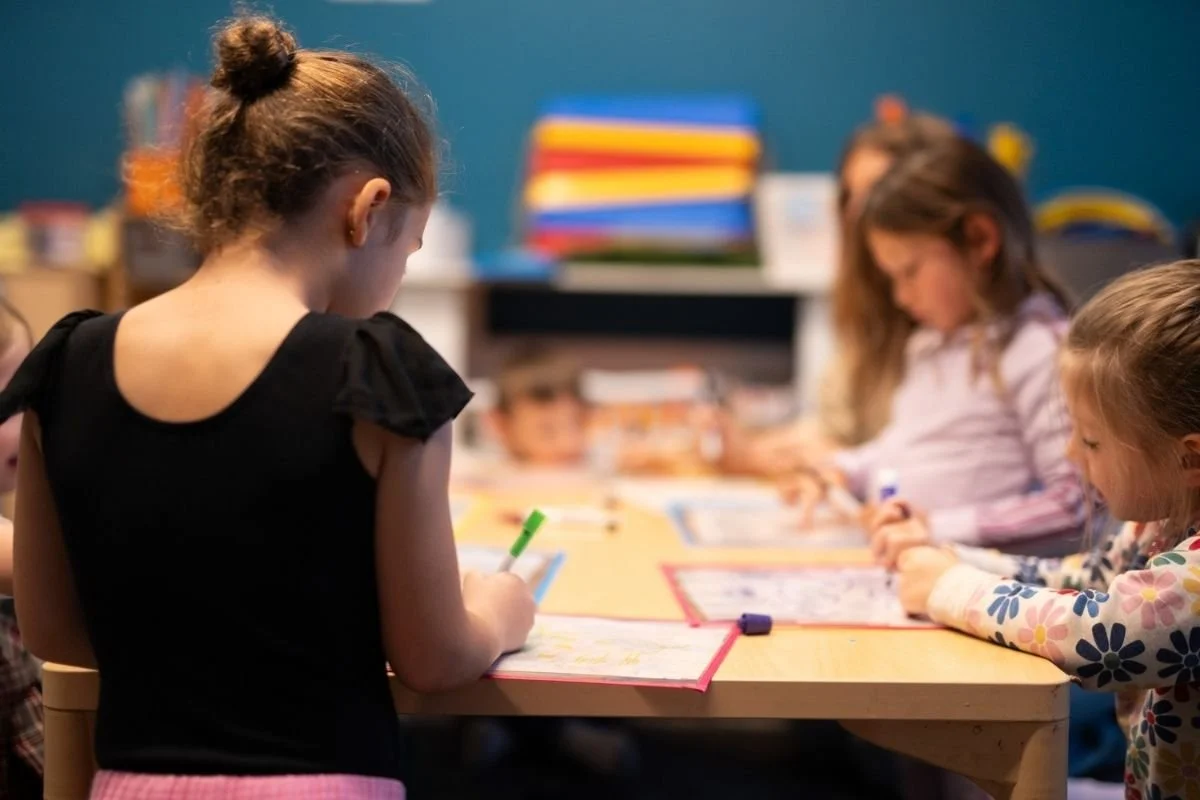
When your little one is coloring at the table, the way they grip their crayons may not seem like a big deal. But pencil grasp plays an important role in a child’s early writing journey, and it starts long before they learn to write their name.
We’ve talked a lot about pencil grip on social media, and the responses made it clear just how important this topic is. Many people shared that they wished someone had shown them simple pencil grasp tricks earlier so they could help their child feel more confident writing in school.
In this guide, we’ll explore simple, practical strategies that can make a big difference in how you support your preschooler’s writing development.
If you’re new here, hi! I’m Miss Beth, an early literacy specialist and the founder of Big City Readers. I help parents support early reading and writing through playful, research-backed strategies rooted in the science of reading. Now, let’s walk through some of my go-to pencil grasp tricks to help you support your preschooler’s writing journey.
What’s the Right Pencil Grip for Preschoolers?
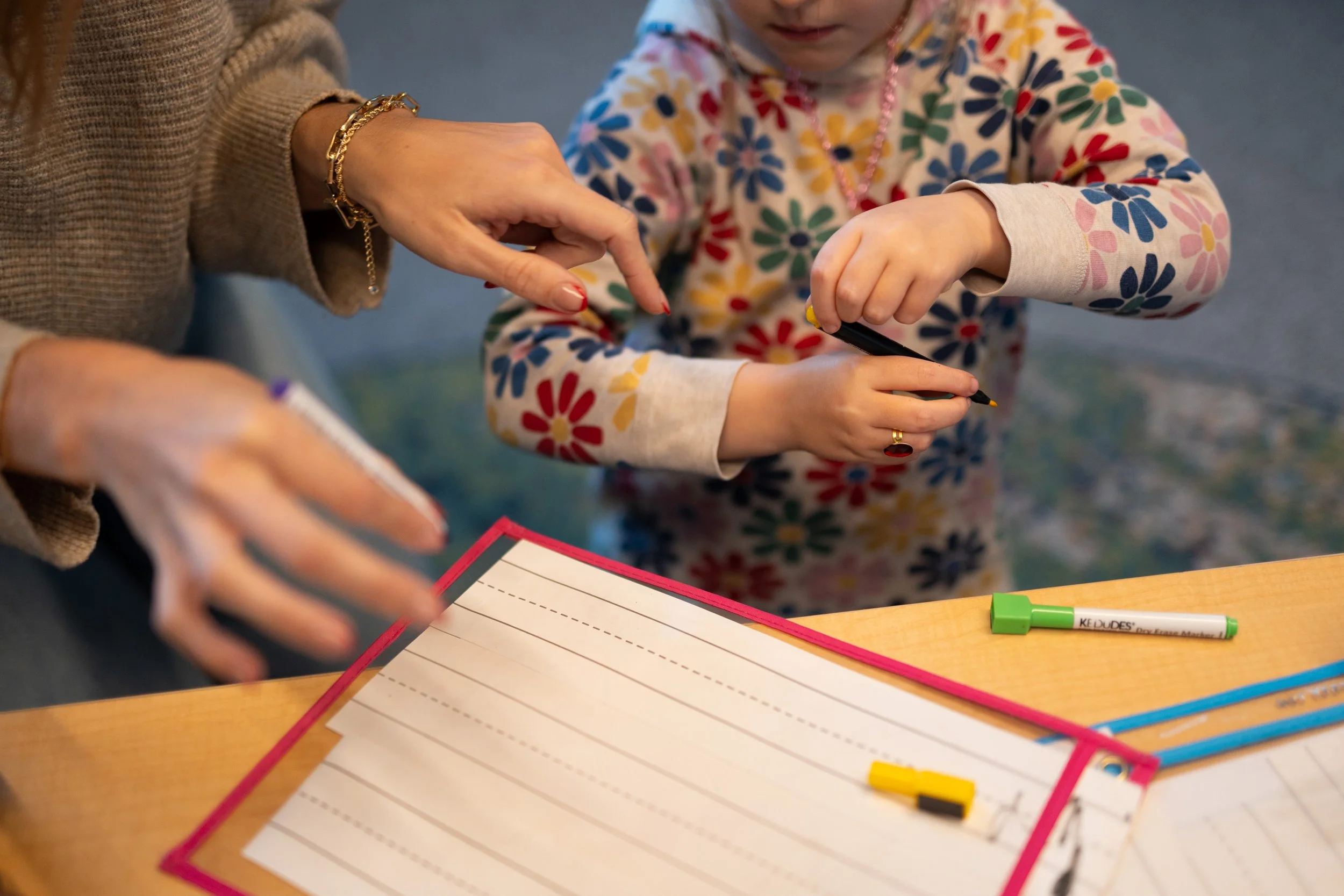
When we talk about pencil grasp, we’re usually picturing what’s called a tripod grip, and that’s generally what you’ll see modeled in classrooms. It’s when the thumb, pointer finger, and middle finger hold the pencil, while the ring finger and pinky tuck underneath to support the hand. But pencil grasp doesn’t begin the first time a child picks up a pencil. It starts much earlier than that.
Think about babies picking up small snacks one by one. That tiny grasp is building finger strength. Crawling, climbing at the playground, hanging from bars, stacking blocks, pinching playdough, and picking up toys all strengthen the muscles that later support writing. By the time children are in preschool, they’re refining skills that have been developing for years.
That’s why it’s helpful to see preschool pencil grip as a work in progress. Some children will naturally shift toward a tripod grasp over time. Others may need some gentle guidance and strengthening. What matters most at this stage is that their grip lets them draw and write comfortably, without tears or frustration.
Is Pencil Grasp Really Important?
Pencil grasp definitely matters, but not because it’s a test of readiness or intelligence. An efficient grip supports endurance. It helps children write longer without their hands getting tired.
It also allows for better control when forming letters and shapes. When writing feels physically easier, children are more willing to practice, and that willingness is what helps skills grow.
At the same time, forcing a “perfect” grip too early can create unnecessary stress. If a child doesn’t yet have the fine motor strength to support that grip, no amount of correcting will make it stick.
Strength and coordination have to come first. So yes, pencil grasp is important… But it grows best when it’s supported by play, practice, and patience.
5 Simple Pencil Grasp Tricks for Preschoolers
You don’t need to buy a bunch of fancy rubber pencil grips to help your child improve pencil grasp. Small adjustments can go a long way, especially when they’re introduced in a playful and supportive way early in the writing journey.
Here are some easy pencil grasp tricks that build both strength and awareness:
Use smaller tools. Short crayons and even broken crayons naturally encourage children to use their fingertips instead of wrapping their whole fist around the writing tool.
Try the pompom trick. Place a small pompom under the ring and pinky fingers. Those fingers now have a job, which helps the thumb and first two fingers take over holding the pencil.
Squish playdough while writing. Use a small ball of playdough instead of a pompom. Ask your child to gently squish it while writing with the pencil to activate and strengthen their support fingers.
Use the ABC playdough trick. Flatten a piece of playdough, show your child a letter card, and have them write the letter into the playdough. The resistance builds control and gives helpful sensory feedback.
Write on vertical surfaces. Easels, chalkboards, or even writing on a window with washable markers strengthen wrist positioning and shoulder stability, both of which support pencil control.
Common Mistakes That Can Slow Pencil Grasp Development
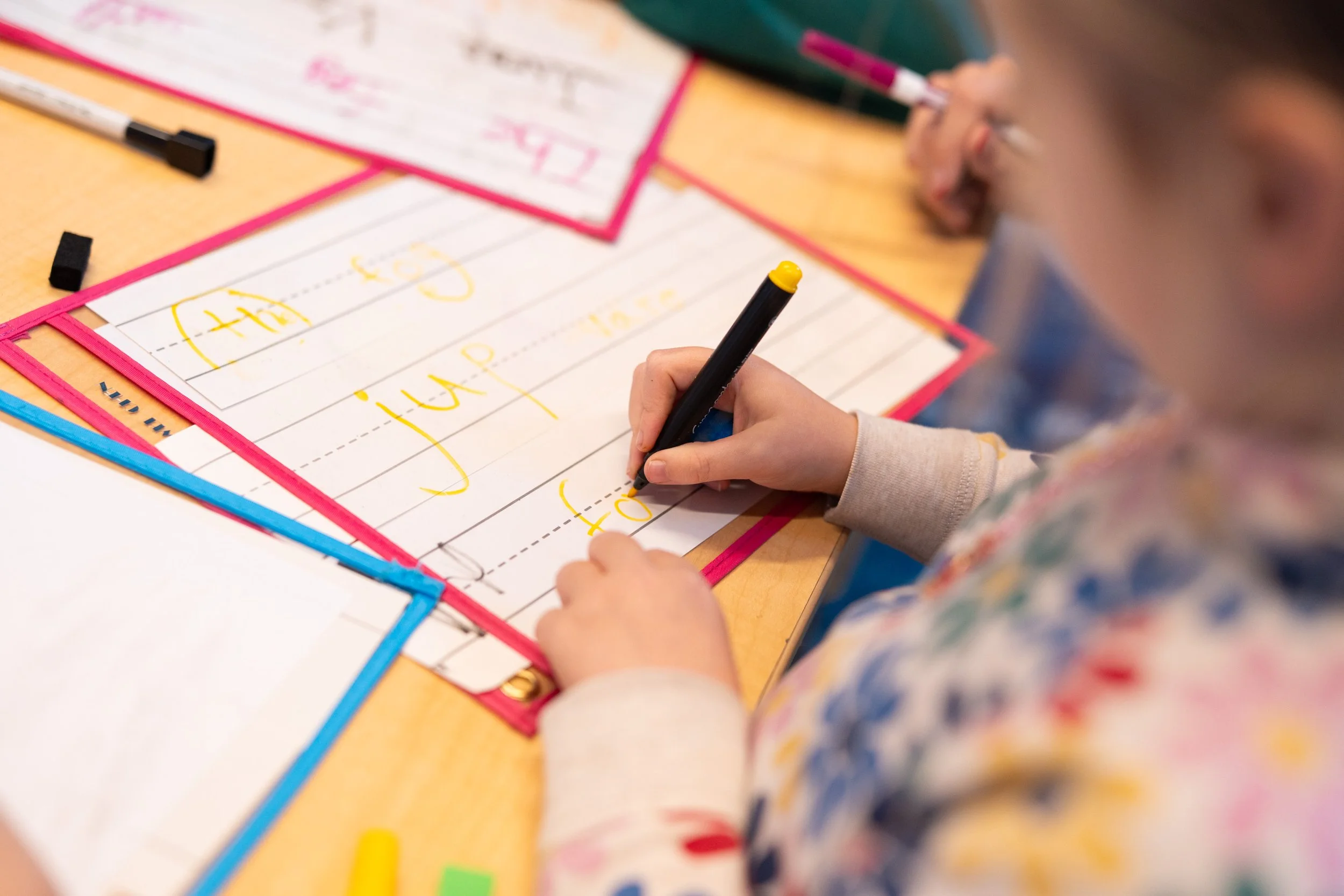
Over the years, I’ve noticed that many pencil grip challenges are actually easy to adjust once you know what to look for. When we’re eager to help, it’s easy to jump ahead or apply more pressure than little hands are ready for. A few small shifts can make writing feel more natural.
Here are some common mistakes to avoid:
Starting with worksheets too early instead of building fine motor strength through play
Using oversized pencils or grips that encourage a full-fist hold
Correcting grip constantly, which can create tension
Skipping activities like cutting, beading, or playdough that strengthen small muscles
Comparing your child’s writing to others
Keep in mind that early writing growth comes when children feel supported, encouraged, and safe to try.
More Ways to Support Your Preschooler’s Writing Before Kindergarten
Pencil grasp is an important part of writing development, but it’s not everything. Writing is built on many small skills working together, and strengthening those skills has more impact than focusing on grip alone.
If your goal is to help your preschooler feel ready for kindergarten writing, remember to build the foundation first so pencil grasp has something solid to rest on.
Here are a few ways to strengthen writing skills beyond pencil grip:
Fine motor play: Roll and pinch playdough, use tweezers to move small objects, string beads, cut with play scissors, or build with small blocks.
Sensory letter formation: Write or trace letters in sand, shaving cream, chalk, or playdough to build muscle memory in a fun, low-pressure way.
Oral storytelling: Let your child tell stories out loud before expecting them to write. Strong language supports strong writing.
Detailed drawing: Drawing builds hand control and creativity, so encourage adding details and then labeling pictures with a few sounds or letters.
Name writing practice: Practicing their name feels meaningful and motivating, which increases effort and engagement.
Playground strength: Climbing, hanging, and pushing heavy objects build shoulder stability, which supports writing endurance.
Looking for more structured support? Our Ready to Write course is packed with tools and strategies to guide your child’s early writing journey. From strengthening tiny hands to drawing shapes and writing letters, each video lesson turns everyday practice into real progress.

Helping Your Preschooler Feel Confident With Writing
Pencil grasp is shaped by years of play, coordination, and refinement. It doesn’t need to look perfect in pre-K, and it definitely doesn’t need to cause stress at the kitchen table. At this stage, children need encouragement and opportunities to naturally build early literacy skills.
When children are allowed to draw, scribble, and practice without constant correction, they’re more willing to try and more able to see themselves as writers. Confidence fuels persistence, and persistence builds skill over time. And you are doing such important work supporting it!
Have any questions about pencil grasp? Wondering what to work on next? Send me a DM on Instagram @bigcityreaders or leave a comment below. For more tips on building early literacy, check out these related blogs next: