
The Science of Reading Explained for Parents
If you’ve ever wondered why your child can memorize a familiar book but freezes when reading something new, this post — and the podcast episode it goes with — will help everything click!
In this episode of the Play on Words podcast, I sat down with Jessica Farmer from Farmer Loves Phonics to talk about what the Science of Reading actually is, why so many schools are shifting toward it, and what parents can still do at home even if their child’s school is not fully aligned yet.
Here is what we covered in the episode, and what you can start using right away at home or in conversations with teachers:
Why guessing and picture-based reading strategies hold kids back.
What actually builds strong readers, according to decades of research.
How to advocate at school without being labeled a “pushy parent.”
Simple, realistic ways to support decoding and confidence at home (see our Decoding 101 guide!).
What Jessica wishes every parent knew about reading instruction.
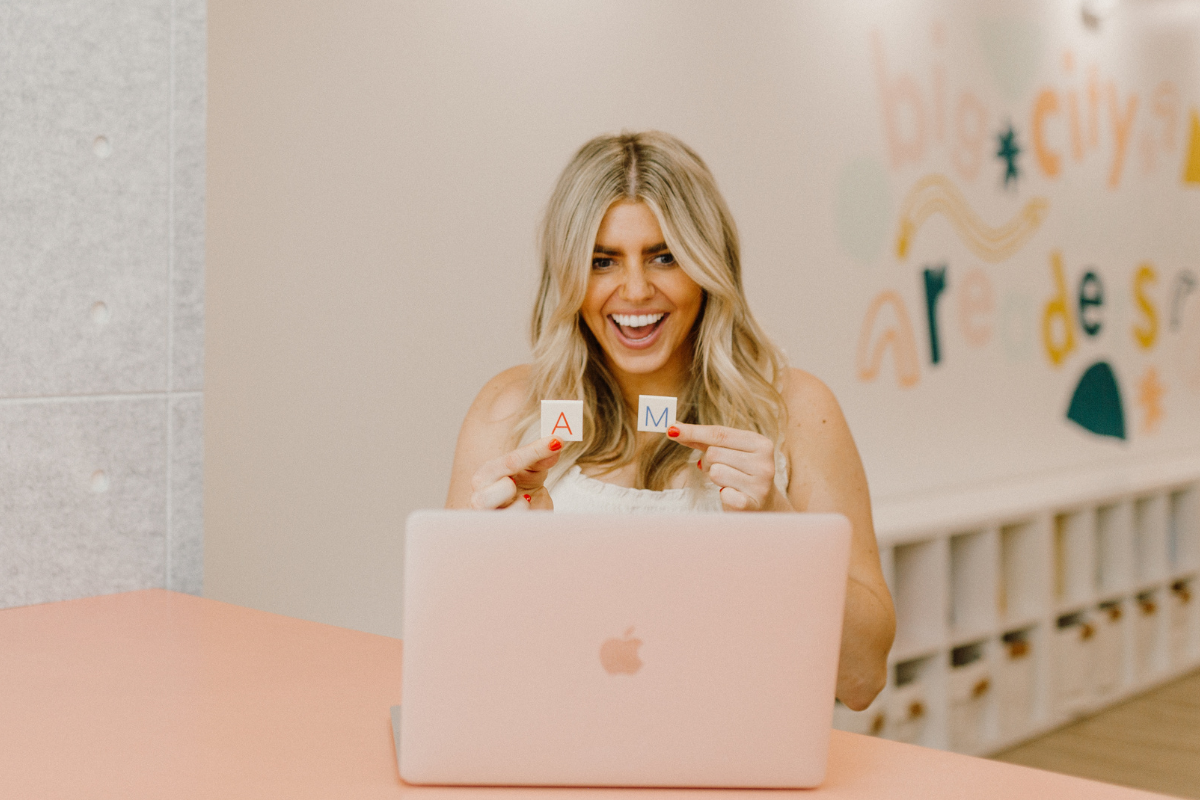
New around here? Hi, I’m Miss Beth! I’m the founder of Big City Readers, and we help families build confident, curious readers through play-based learning and research-backed strategies. At Big City Readers, we use the five pillars of early literacy (read, write, sing, talk, and play) along with the science-backed Orton-Gillingham approach to make learning feel exciting, not overwhelming. And we believe that connection in learning always comes first.
The Science of Reading Is Not a Trend, It’s How the Brain Learns to Read
One of the first things Jessica and I talked about was how the Science of Reading is often misunderstood as a program or curriculum. It is not. It is a large body of research showing how the brain becomes literate.
Kids do not learn to read through exposure alone, and they do not automatically pick it up the way they learn to speak. The brain has to build new pathways, and that only happens when kids are taught:
How sounds work inside words (phonemic awareness is key!).
How those sounds connect to letters and spelling patterns (phonics).
How to read words accurately and smoothly (fluency).
How vocabulary and background knowledge support comprehension.
When schools skip these steps and let kids rely on pictures, memorization, or first letters, reading looks fine for a while. Then the wheels fall off in third or fourth grade when the pictures disappear and the words get longer.
As Jessica said in the episode, “Kids can’t fall in love with reading if reading never clicks.”
Kids Don’t Become Strong Readers by Guessing
One of the big takeaways from the podcast conversation was this: when kids are encouraged to “look at the picture and guess,” they are not being set up to use the skills that actually build reading. It may look like reading in the moment, but it does not help the brain understand how words work.
Jessica explained it this way: if a child is guessing, the brain stores the appearance of the word, not the sounds and patterns inside it. That makes every new word something they have to memorize from scratch, instead of something they can decode using what they already know.
This is why the Science of Reading puts so much emphasis on phonics and decodable texts. When kids practice with books that match the skills they have learned, they experience success that comes from real reading, not guessing.
If your child is bringing home books that rely on pictures or memorization, it does not mean the teacher is “doing it wrong.” It simply means you may want to ask how phonics is being taught and whether your child is getting opportunities to use their decoding skills in connected text!
You Can Use the Science of Reading at Home Without Turning Into a Teacher
One of my favorite parts of the episode was how practical Jessica made this for parents. You do not need to recreate a classroom at your kitchen table. A few small, intentional habits go a long way.
Here are the exact strategies we talked through on the podcast:
Play with sounds before you worry about letters
Ask:
“What word do you get if you take the /s/ off of smile?”
“What sound do you hear at the end of jump?”
“What two words make sunset?”
Start with the letters in your child’s name
Jessica shared a great reminder from the research: one of the most powerful ways to begin teaching letters is by starting with the ones in your child’s name. Kids are naturally more interested in letters that belong to them, so the brain pays closer attention and stores the information more easily.
Think about it this way: the letter M might not mean much on its own, but if your child’s name is Mia, Maddox, or Morgan, that letter suddenly matters. That emotional connection gives you a head start. It turns letter learning from random memorization into something personal.
Here are a few simple ways to use name letters at home:
Build their name with magnetic letters on the fridge.
Trace the letters with fingers in sand, salt, or shaving cream.
Clap or tap out the sounds in their name.
Sort letters into “in my name” and “not in my name”.
Look for the first letter of their name on signs, cereal boxes, or book covers.
Once a child is confident with the letters in their name, you can move outward — to family names, favorite toys, or pets. The key is connection first, memorization second.
Trade leveled books for decodables
If your child is guessing or memorizing, swap in books that reinforce the phonics pattern they are learning. No pictures needed. No guessing required!
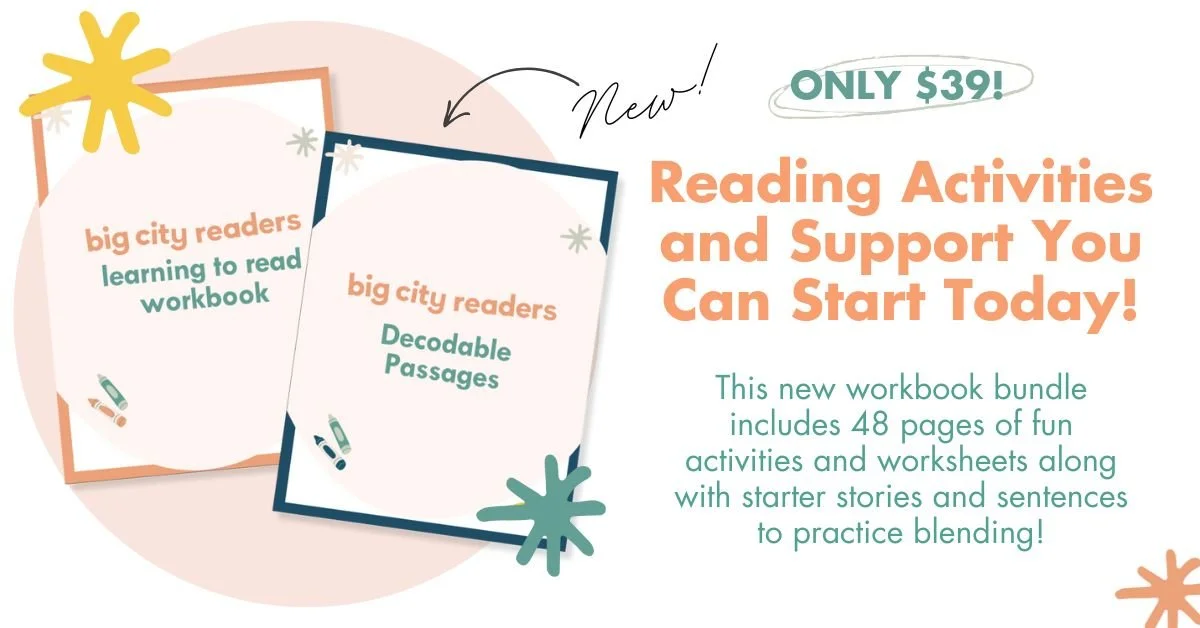
We have a guide FULL of decodable passages that would be perfect for this!
Map words instead of memorizing them
Instead of asking your child to stare at a word until it “sticks,” walk them through the sounds inside the word. This is called mapping, and it is how the brain turns a word into something it can recognize instantly later on.
Here is a simple routine you can use:
Say the word out loud
Example: saidTap or clap each sound you hear
/s/ /e/ /d/ (even though the spelling looks different)Write the sounds you hear
Show them the regular parts and the “heart part” (the tricky letters)Read the word back together
Connect the sounds to the spelling, not the shape of the word
This process gives the brain something to attach the word to. It turns the word into knowledge, not a guessing game. Ten mapped words will stick longer than one hundred memorized ones.
The goal is not to skip repetition. It is to make repetition meaningful.
If Your Child’s School Isn’t Using the Science of Reading, Here’s How to Speak Up
One of the most helpful parts of my conversation with Jessica was the reminder that teachers are not the problem. Most were never trained in this research, and many are learning it now right alongside parents.
The most effective advocacy starts with curiosity, not confrontation. Instead of “Why aren’t you doing this?” try:
1. What phonics program do you use, and does it follow a set scope and sequence?
You are listening for explicit, systematic instruction, not “we cover letters as they come up in books.”
2. When students get stuck on a word, what strategy do you want them to use?
You want to sound it out, not look at the picture or guess.
3. Do early readers use decodable books?
If not, this is often the simplest and most impactful place a school can shift.
Jessica also pointed out that sharing a free, vetted resource is often more effective than sending an article. Try “I found this and thought it might be useful” instead of “Here is what you are doing wrong.” Such an important tip!
Parents Ask Me This All the Time
Is the Science of Reading just phonics?
It’s not! Phonics is an important part of it, but it is not the whole picture. Kids also need vocabulary, comprehension, fluency, background knowledge, and lots of meaningful language.
Phonics is the foundation, but it is not the finish line!
At what age should my child be reading?
There is no magic age where reading suddenly “clicks.” What matters most is the order of skills, not the age on the calendar. First, kids learn sounds, then letters, then how to blend those sounds into words, then how to read decodable text. When the steps are taught in the right order, reading comes.
If you want a simple way to picture it, here is how I structure it inside Big City Readers:
Ready to Read: (pre-readers): letters, sounds, and early language play.
Ready to Write: (early kindergarten): handwriting, fine motor strength, and letter formation.
Kindergarten Ready: the core skills that make school feel easier, not overwhelming.
First Grade Bootcamp: blending, decoding, and early spelling patterns.
Mastering Spelling Rules: (2nd–3rd grade): spelling patterns, bigger words, and true reading confidence.
Different ages, same goal: build each layer of reading in the right order so nothing feels rushed or forced.
Want help figuring out which stage your child is in?
You can take the free placement quiz or check out the class descriptions here.
Are leveled readers bad?
“Bad” is a harsh word. They are not detrimental, but they do not teach reading. Most leveled books rely on pictures and guessing, not decoding. They can be used for fun or extra reading time, but your child should be practicing real reading with decodable books that match the phonics they have learned.
How do I know if my child needs help?
Signs to look for include guessing at words, memorizing entire books, avoiding reading, or reading the words but not understanding the story. If something feels off, trust yourself. Struggle is usually a sign of missing instruction, not a lack of ability.
And if you are not sure whether your child is “on track,” one of the easiest ways to find out is to start them in the Big City Readers on-demand course that matches their grade level.
If it feels too easy or too hard, just send us an email, and we will get them into the right class. It is a simple way to see whether their current reading skills line up with what is developmentally expected.
Plus, they are short, fun, and engaging!
What if my school says they “already do this”?
I would ask what that actually looks like in the classroom. True Science of Reading instruction is structured, explicit, and phonics-based. If kids are still being told to look at the picture, memorize word lists, or “figure it out from context,” there is still room to grow.
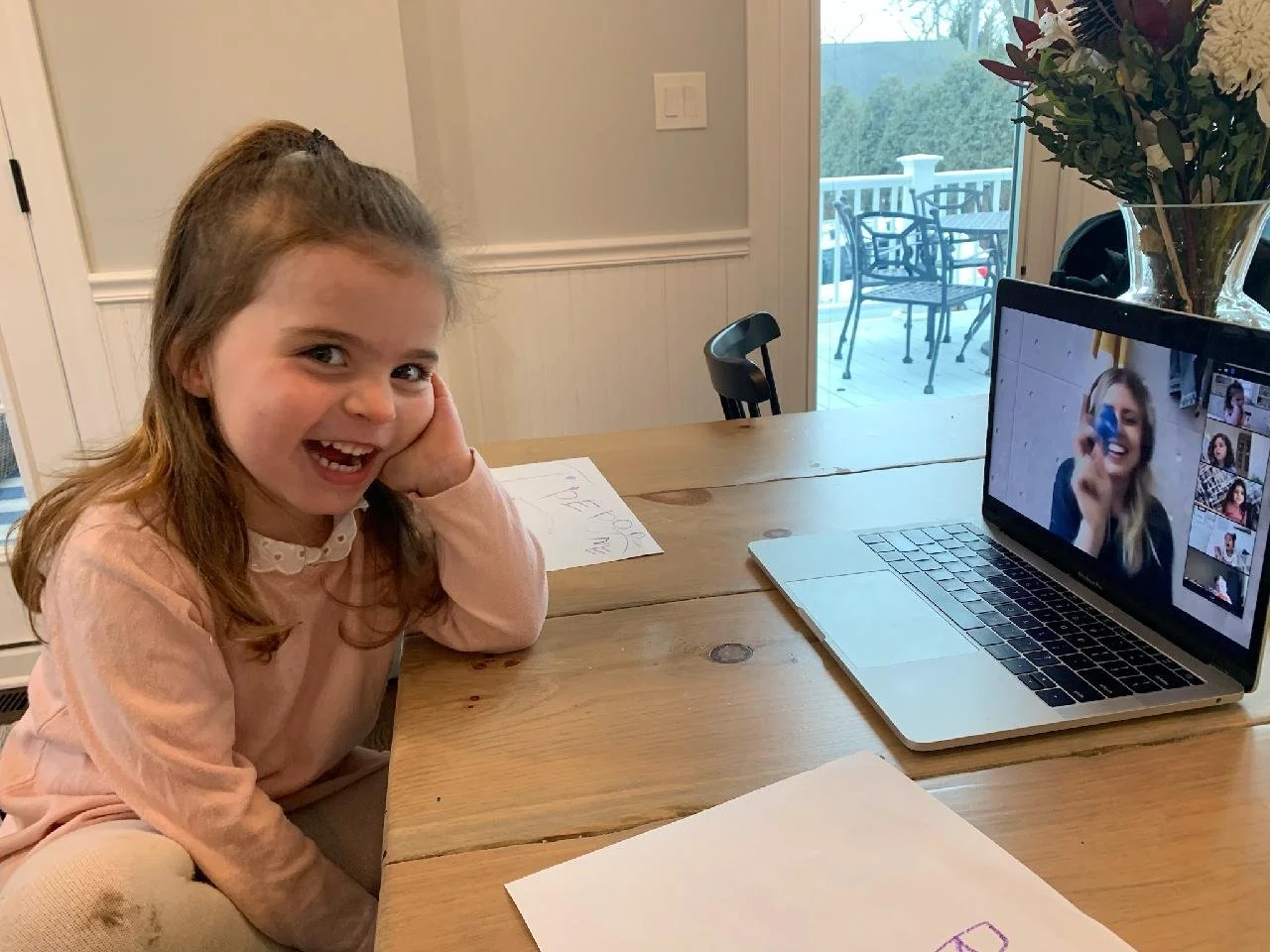
Using The Science of Reading to learn at home!
Kids don’t become strong readers by luck. They get there with the right instruction, support, and the right order of skills. And you don’t have to be a teacher to make a difference! Small, simple shifts at home can change everything.
If reading has felt confusing, you are not doing anything wrong. You just needed better information, and now you have it.
You’ve got this. And if you want support, tools, or a clear next step, Big City Readers is here to make it feel doable, not overwhelming.
Have you listened to the episode yet? I would love to hear what stood out to you or what you are trying at home. Send me a DM @bigcityreaders so we can learn from each other!


I’m the founder of BCR, host of the Play on Words podcast, a consultant for the Chicago Public Library, and more! On the blog, I regularly share my tips, insights, and knowledge on early literacy.

The Latest Posts


grab Miss Beth’s ABC booklist
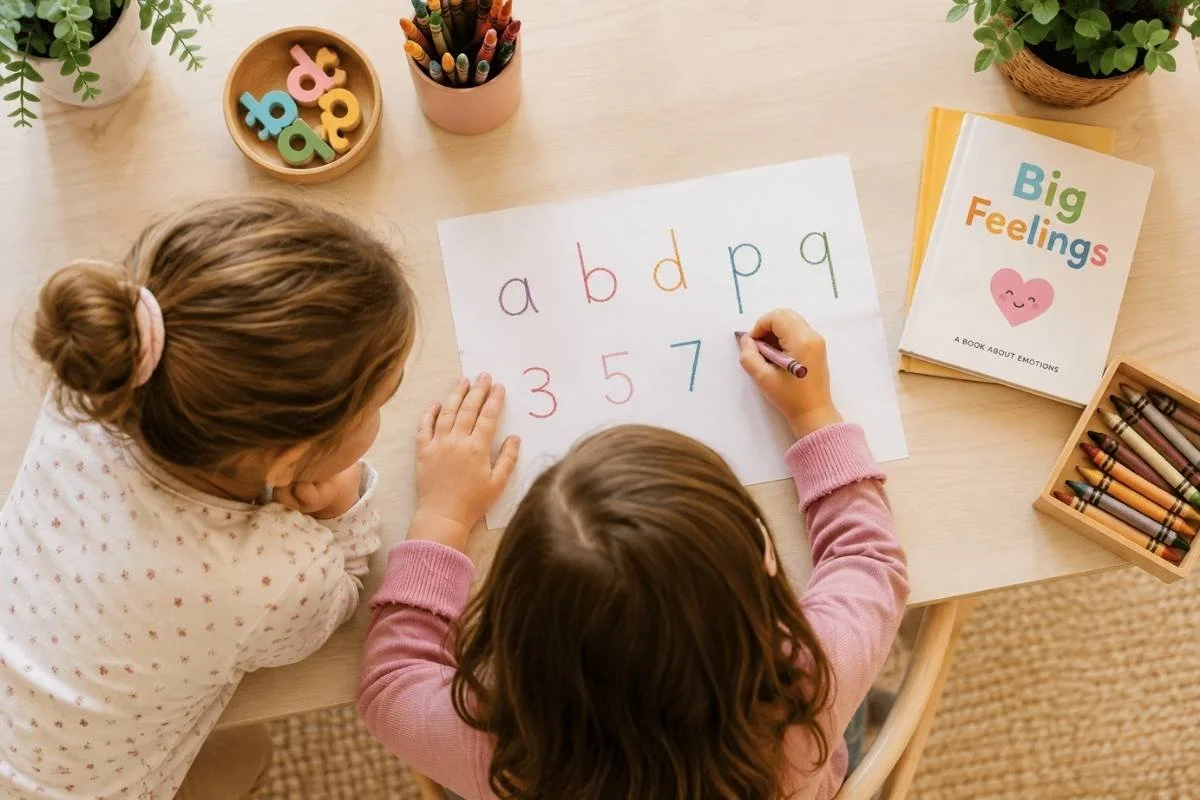
a free, downloadable list of more than 15 of Miss Beth’s favorite books for teaching your child their ABC’s
