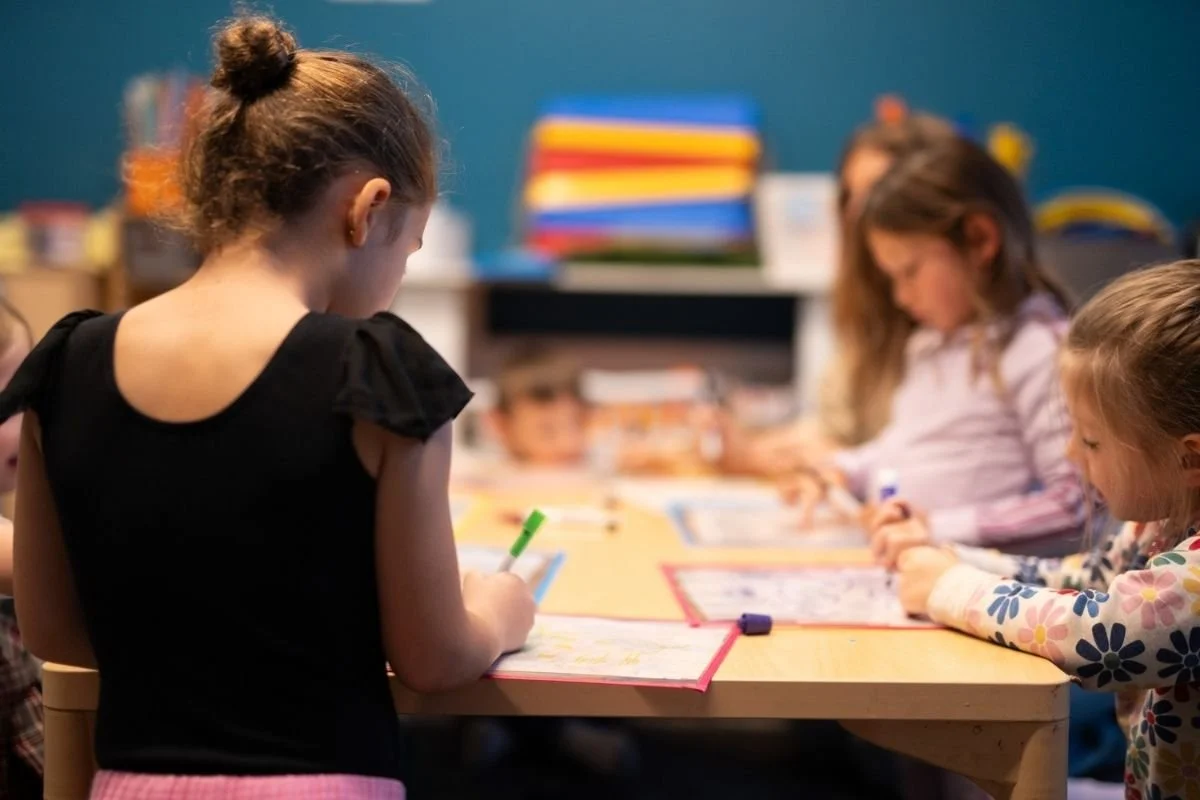
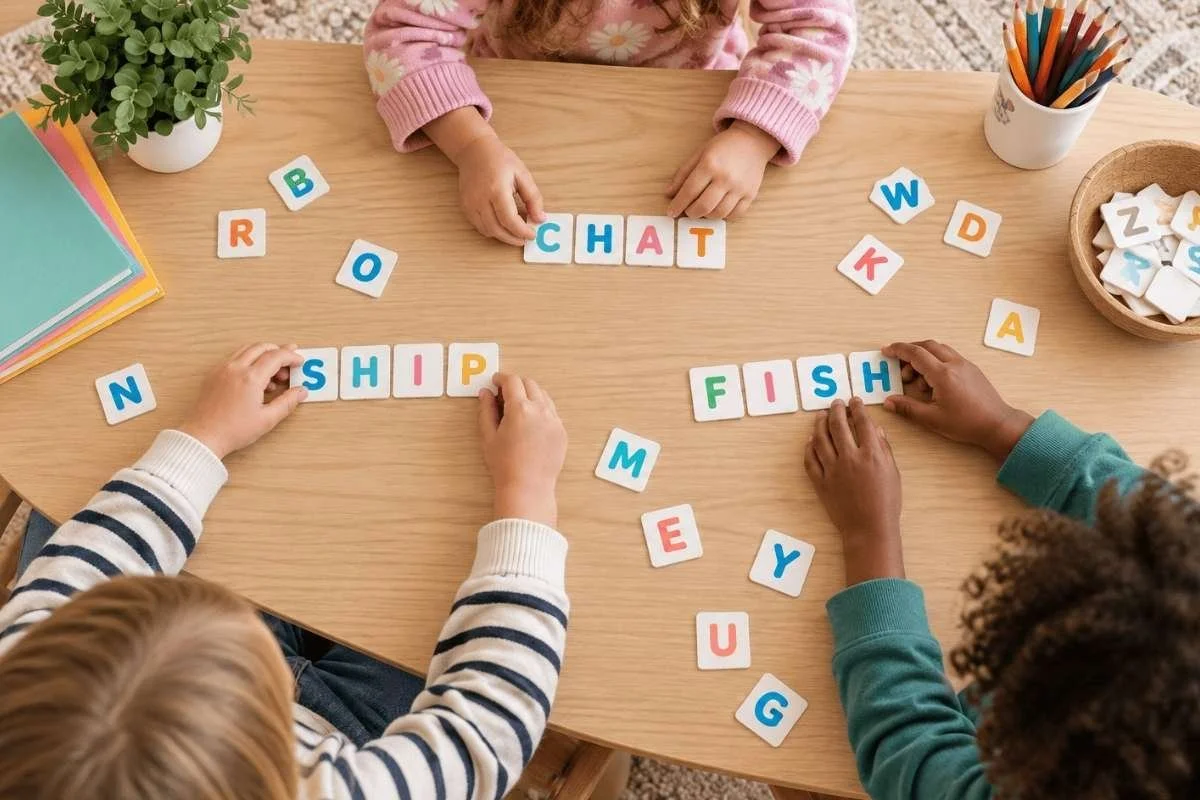
Sound Mapping Activities for Early Readers
Sound mapping is one of the most helpful strategies children learn when they start reading. Most kids start practicing sound mapping in kindergarten or early first grade, when they’re learning how letters and sounds work together to form words.
At this stage, children begin to sound out simple words like cat, dog, and sun. They’re also learning that words aren’t just something we memorize, but individual sounds that can be blended together to create meaning. We use sound mapping to help make those connections clear.
If you’re new here, hi! I’m Miss Beth, an early literacy specialist and the founder of Big City Readers, where I help families raise confident readers using playful, research-backed strategies. In this post, we’ll talk about what sound mapping is, why it works so well for early readers, and a few simple activities you can try with your child.
What Is Sound Mapping?
In early reading instruction, sound mapping is the process of connecting the sounds in a word to the letters that spell those sounds. Instead of memorizing words by sight, children learn to listen carefully for each sound and match that sound to a letter or letter pattern.
To help make sound mapping click, many teachers use sound boxes, which are sometimes also called Elkonin boxes. These boxes give children a place to represent each sound in a word before they write the letters.
For example, when mapping the word cat, a child first listens for the sounds in the word: /c/ /a/ /t/. Each sound gets its own box. Once the sounds are clear, the child writes the letters that represent those sounds.
This step might seem small, but it’s powerful. Children start to see that words are built from sounds they already know. Those sounds connect to letters, and those letters build words they can read. Over time, these sound-to-letter connections make reading feel much more natural.
If you're wondering how these skills work together, I break down the difference between phonological awareness and phonics and why both matter when your child is learning to read.
Why Sound Mapping Works (& Memorizing Words Doesn’t)
For years, children were taught to read by memorizing long lists of sight words. The words themselves are important, but memorizing whole words doesn’t give children the tools they need to read new words on their own.
When kids rely on memorization, they may recognize words they’ve practiced before but struggle when they come across unfamiliar ones. Some children also start guessing words based on what looks similar instead of actually reading the sounds.
With sound mapping, children learn to break words apart and listen for each sound instead of simply memorizing the word. This process strengthens the way the brain stores words for reading. When children repeatedly connect sounds, letters, and meaning, their brains get better at storing those words. Over time, words that they once needed to sound out become automatic.
If you’d like to dive deeper into how this works, I covered it recently on The Play on Words Podcast. In the episode, we explore the science behind how children store and recognize words and why sound-to-letter connections are so important in early reading.
How to Use Sound Mapping With Your Child
The great thing about sound mapping is that it’s actually really simple to practice at home. Most parents are already doing parts of it naturally when they help their child sound out a word.
The goal is just to slow things down and help your reader notice each sound in the word before writing it. Once children understand the routine, it turns into a quick activity you can do during reading practice at home.
Here’s an easy way to guide your child through sound mapping:
Start by saying the word together. Use the word in a sentence so your child understands what it means.
Stretch the sounds slowly.For example, the word said can be stretched into three sounds: /s/ /e/ /d/.
Draw sound boxes.Create one box for each sound your child hears.
Map the sounds to letters. Fill in the letters that match each sound.
Identify the tricky part. Some words have a small part that doesn’t follow the usual spelling pattern. You can mark that part with a heart to show it’s the piece we remember.
Write and read the word.After mapping the word, have your child write it and use it in a simple sentence.
This routine only takes a few minutes and can turn almost any word into a great phonics lesson.
5 Playful Sound Mapping Activities for Early Readers
Early reading practice works best when children feel successful along the way. Sound mapping activities give kids a chance to break words into smaller pieces to help them understand. When children realize they can figure out words on their own, their confidence grows fast.
Here are a few playful ways to practice sound mapping at home:
Sound box mapping:Draw a few boxes on paper and say a word like dog. Your child places one sound in each box before writing the letters.
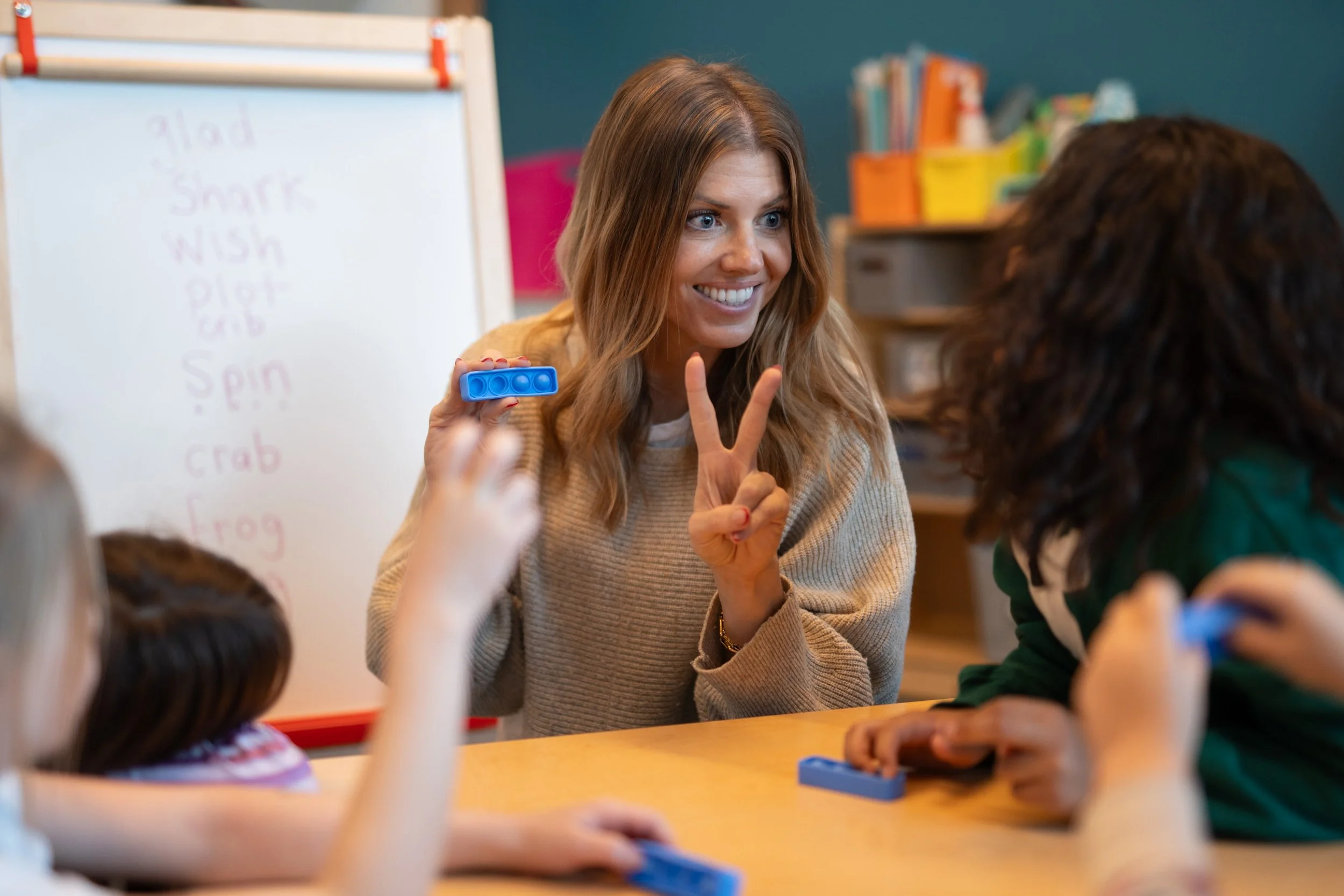
Tap and map:Have your child tap their finger (or pound it out with a pop-it toy) for each sound they hear in a word before writing the letters.
Magnetic letter mapping:Use magnetic letters on the refrigerator to build words after mapping the sounds.
Map and write:Say a word aloud and have your child map the sounds first, then write the full word underneath.
Silly sentence mapping:Map one word together and then create a funny sentence using that word. Kids love sentences like “The dog sat on the log.”
These fun little moments make reading practice feel light and supportive, which is exactly what we want during the early stages of learning to read.
If Sound Mapping Feels Hard Right Now, Try This
If sound mapping feels a little tricky for your child right now, know that it’s completely normal. Often, early readers need time to get comfortable hearing individual sounds in words. It’s a skill that develops with practice, not something kids master overnight.
A few small adjustments can make the process much easier and more encouraging for your child. Here are a few things that can help:
Start with simple CVC words. Words like cat, dog, and sun are easier for children to hear and map.
Focus on sounds before letters. Encourage your child to listen for each sound before thinking about how the word is spelled.
Stretch the sounds slowly. Slowing down the word helps children hear each sound more clearly.
Work with just a few words at a time. Practicing four or five words a week is plenty for most children.
Keep practice short and encouraging. Even a few minutes of sound mapping practice can make a meaningful difference when you’re consistent.
Building Confident Readers One Sound at a Time
Sound mapping is one of those skills that can feel small in the moment but makes a huge difference over time. Every time your child listens for a sound, taps it out, or connects it to a letter, they’re strengthening the foundation that reading is built on.
Progress doesn’t happen all at once. It happens through lots of tiny practice moments that slowly start to click. If you’re looking for more guidance, my Kindergarten Ready course gives you a clear step-by-step path to early reading with short video lessons and hands-on activities.
Have any questions about sound mapping or early reading skills? Send me a DM on Instagram @bigcityreaders or leave a comment below! And for more ways to support your child’s reading journey, be sure to explore our other early literacy blogs: