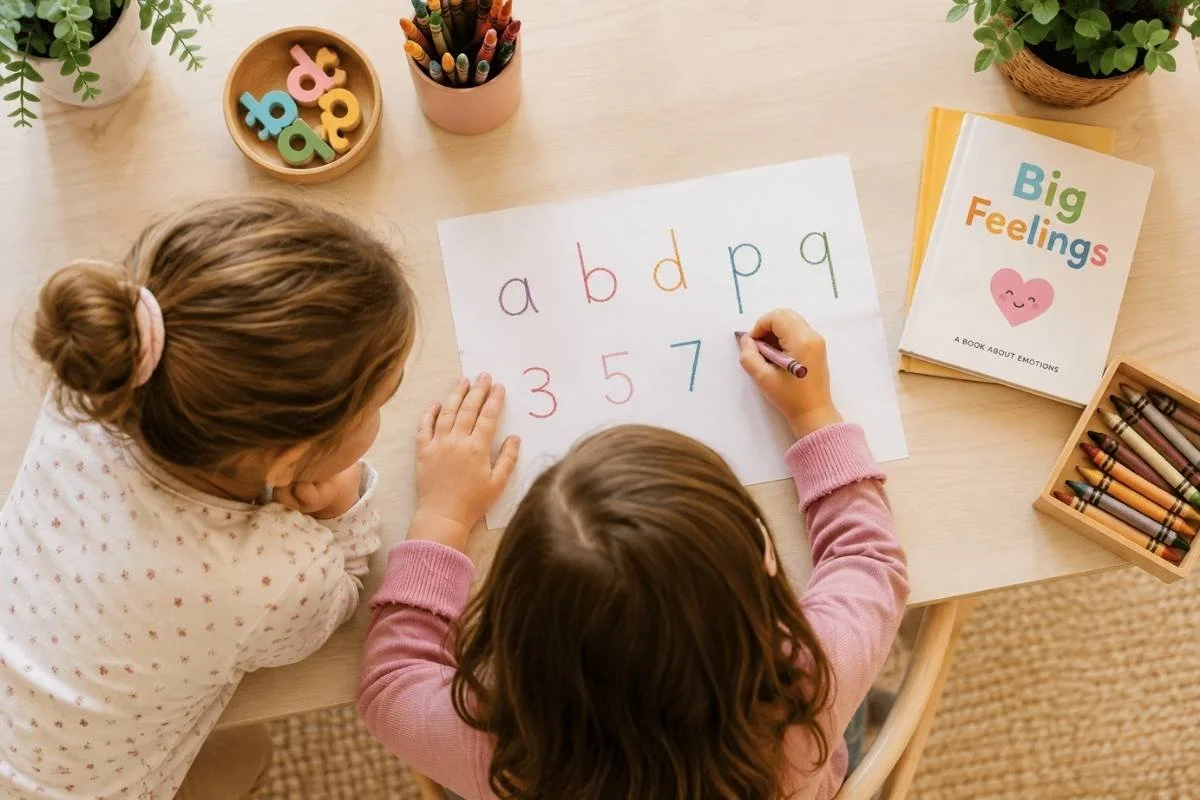
Kindergarten Supplies Checklist: Back-to-School Reading Essentials
Kindergarten supplies checklists are everywhere this time of year, but most of them leave out one of the most important things your child needs for a successful start to school: the reading tools and habits they'll use long after the crayons and glue sticks run out.
In this guide, I’ve rounded up the school supplies I wish every kindergarten family had before the first day of school. Along with the classroom supplies your child will likely need, I'll share the reading tools, teacher tips, and at-home habits that can help set them up for a wonderful year.
If you’re new here, hi! I’m Miss Beth, an early literacy specialist and the founder of Big City Readers. I'm passionate about making learning to read feel less overwhelming for kids and their parents through effective, playful strategies rooted in the Science of Reading.
Your Kindergarten Supplies Checklist
Every classroom has its own kindergarten supplies list, so be sure to check with your child's teacher before shopping. That said, these are some of the most common kindergarten supplies you might see, along with a few teacher tips to help you choose the right ones.
Backpack: Choose one that's lightweight and easy for your child to zip on their own. Oversized backpacks may look cute, but they can be difficult for little hands to manage.
Lunch Box: Look for one your child can open and close without help. Practicing at home before the first day can help them feel more confident at lunchtime.
Reusable Water Bottle: Pick a leak-proof bottle that’s easy to open, and clearly label it with your child’s name.
Pencils: Most teachers request standard #2 pencils. Buying pre-sharpened pencils can save everyone a little time during those busy first weeks.
Crayons: A classic 24-count box usually works great. Fewer choices make it easier for young children to quickly find the color they need.
Child-Safe Scissors: If your child is new to using scissors, spend a few minutes practicing at home before school starts.
Glue Sticks: You'll almost always need more than you think. If they're on sale, grab an extra pack for later in the year.
Folders & Notebooks: Your teacher may request specific colors for different subjects, so double-check your kindergarten supply list before heading to the checkout.
Classroom Supplies: Items like tissues, disinfecting wipes, and hand sanitizer support the whole class. They're always appreciated and keep things running smoothly.
The Reading Supplies Most Kindergarten Lists Leave Off
While classroom supplies help your child participate in school, these reading tools help them practice the skills they're learning once they get home. They’re not typically required by the teacher, but they can make a big difference in your child’s reading journey.
Decodable Books: These books let children practice the letter sounds and spelling patterns they've been taught instead of guessing words from pictures. Here are some of my favorite decodable books for early readers!
Magnetic Letters: I love these. Kids can build words, change sounds, and explore how letters work together through hands-on play.
Dry-Erase Board & Markers: Perfect for practicing letters, writing simple words, and playing quick phonics games without wasting paper.
Index Cards: Great for practicing letter sounds, heart words, or creating simple word-building games in just a few minutes each day.
Library Card: One of the best (and completely free!) reading supplies you can get for your child. Regular library visits help children discover books they enjoy while building a lifelong love of reading.
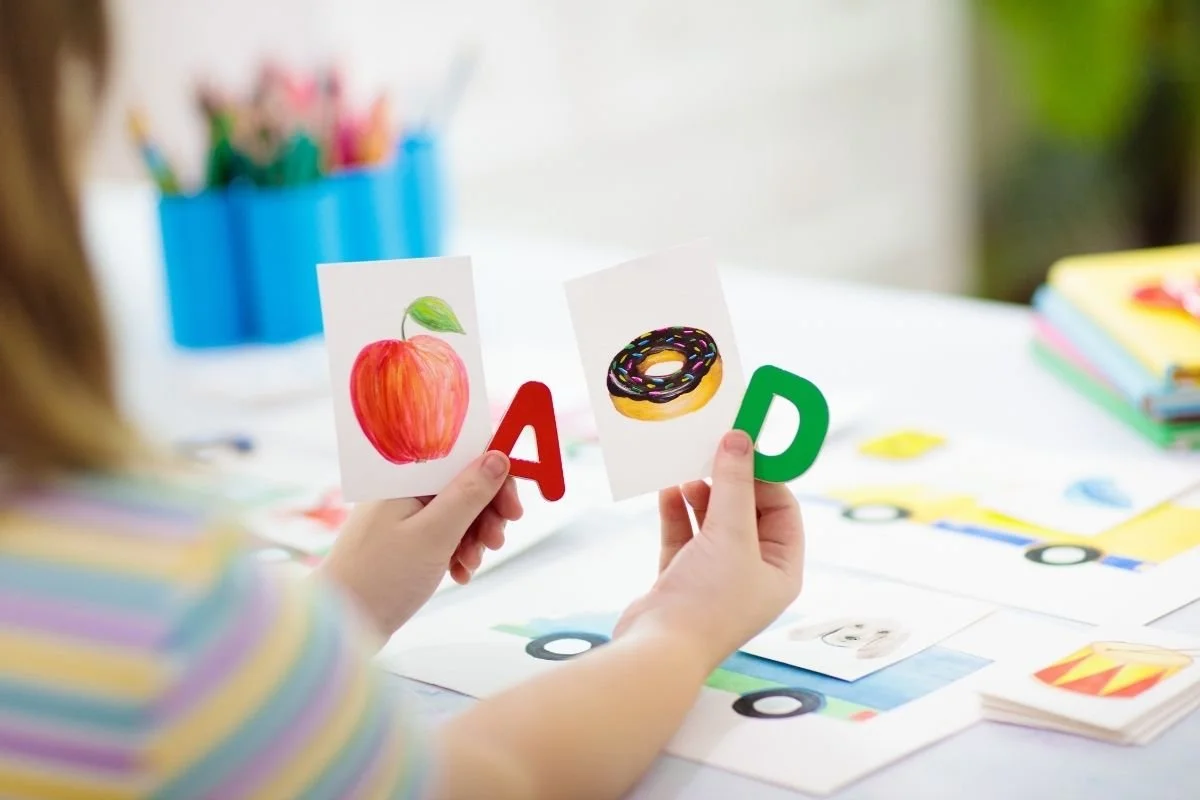
Alphabet Cards: Early readers benefit more from connecting letters to sounds than memorizing letter names, and I created a FREE alphabet card set you can download!
Remember, you don't need a Pinterest-worthy reading room to support your little one. The right reading tools will take your child way further than shelves full of supplies they never use.
Back-to-School Reading Essentials for Home
The first few weeks of kindergarten can feel like a big adjustment. Your child's teacher will do a lot of the heavy lifting during the school day, but those small moments at home matter, too. Just 10 minutes a day of practice can go a long way toward building your child's confidence.
Here are a few simple habits I recommend to every kindergarten family:
Read together every day. Even if it's only for a few minutes, reading aloud builds vocabulary, comprehension, and a love of books.
Practice letter sounds, not just names. Knowing that the letter M says /m/ is much more helpful for beginning readers than simply knowing its name.
Reread favorite books. Repetition helps children build accuracy and confidence. Don't worry if they ask for the same story again and again!
Keep reading fun. Play word games, build words with magnetic letters, or practice writing letters with sidewalk chalk. Reading skills stick when children enjoy it.
Celebrate their effort. Praise your child's persistence, celebrate small wins, and remember that mistakes are an important part of learning.
Keep books within reach. A basket of books in the living room or your child's bedroom makes it easy to grab a story throughout the day instead of waiting until bedtime.
The Most Important Kindergarten Supply Isn't On Your List
Don’t get me wrong, backpacks and glue sticks are important. But the most important thing your child needs for a great school year isn't something you’ll find on a kindergarten supply list.
It's you.
Your encouragement, patience, and the time you spend reading together matter more than having the best school supplies. Children don't become confident readers overnight. They become confident readers one story and one letter sound at a time.
I've seen children make incredible progress simply because they had someone at home cheering them on and practicing with them. So if you're feeling pressure to buy all the right things before the first day of school, take a deep breath.
Your love and support are some of the greatest gifts you can give your child as they navigate their reading journey.
Kindergarten Supply List FAQs
What Supplies Do Kindergarteners Really Need?
Most kindergarten classrooms ask for basic supplies like a backpack, lunch box, crayons, pencils, glue sticks, scissors, folders, and classroom items like tissues or disinfecting wipes. Be sure to check your school's supply list since requirements vary by teacher and district.
How Can I Prepare My Child for Kindergarten Reading?
Read together every day, practice letter sounds, and give your child opportunities to read simple decodable books. Even 5–10 minutes of consistent practice can help build strong reading habits before and during kindergarten.
What Reading Supplies Should I Have at Home?
A few high-impact tools go a long way. I recommend decodable books, magnetic letters, a dry-erase board, an alphabet chart that focuses on letter sounds, and a library card to keep fresh books coming into your home.
Are Decodable Books Better Than Leveled Readers?
For early readers, decodable books provide opportunities to practice the phonics skills they've already learned. They encourage children to decode words instead of relying on pictures or guessing, so they’re an excellent choice during the beginning stages of learning to read.
Supporting Your Child Through This Exciting Milestone
Starting kindergarten is a big milestone, and it's normal to feel a mix of excitement and nerves. Remember, your child doesn't need to know it all before the first day of school. They just need a supportive adult who's there to encourage them and make reading part of everyday life.
For more guidance as you support your little one at home, my Kindergarten Ready course gives you engaging, bite-sized lessons to help build on the reading and writing skills they’re learning in the classroom. It’s a great way to practice those key skills together and make them stick.
Have any questions about kindergarten school supplies or learning to read? Send me a DM @bigcityreaders or leave a comment below! And be sure to check out our other blog posts for more reading tips and literacy activities: