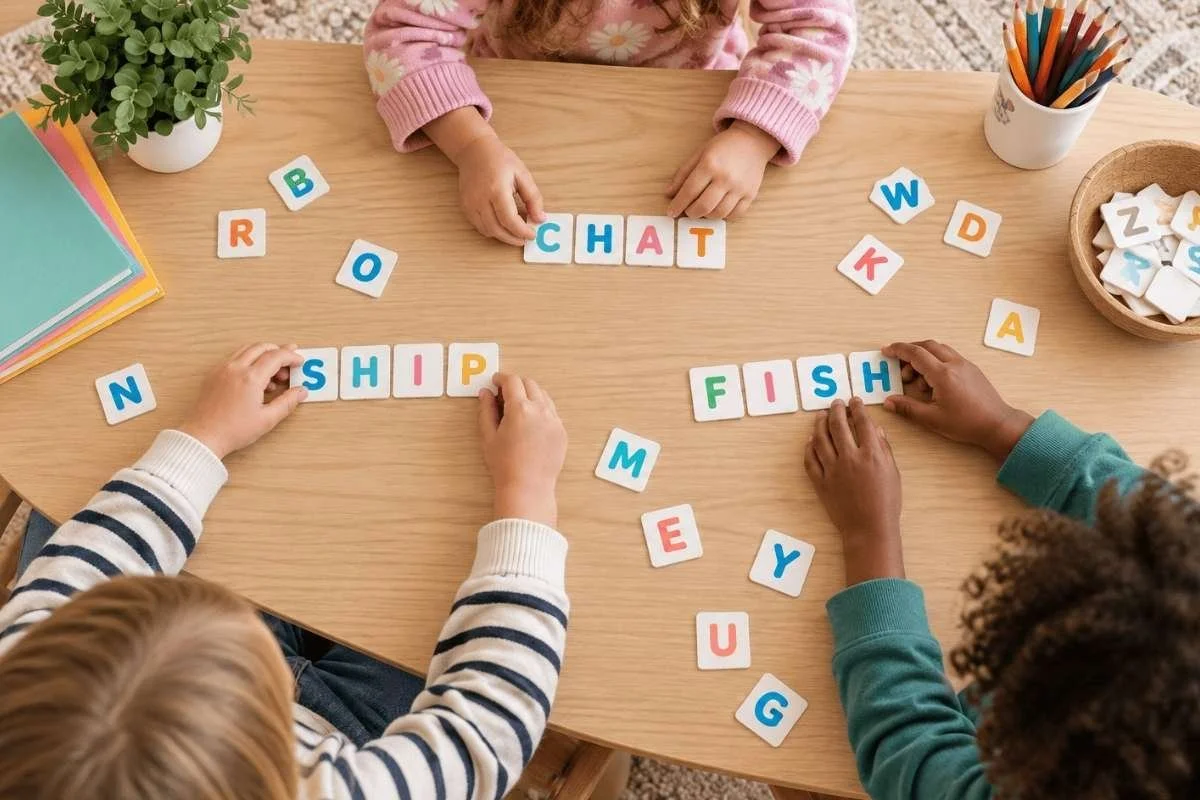
Homeschool Curriculum for Kindergarten: Reading Skills Kids Should Learn First
Choosing a homeschool curriculum for kindergarten can feel like a lot of pressure, especially when it seems like every program promises to teach your child to read fast. A lot of parents end up wondering if they’re doing enough, teaching the “right” things, or moving quickly enough.
But here’s what I wish more families knew: strong readers aren’t built by rushing into books and worksheets. Reading starts with foundational literacy skills that help children understand sounds and how words work long before they’re reading fluently on their own.
Are you new here? Hi! I’m Miss Beth, the founder of Big City Readers, where I help families build early literacy skills through playful, research-backed learning rooted in the Science of Reading. My teaching approach combines the five building blocks of early literacy, along with multisensory learning strategies inspired by the Orton-Gillingham approach.
Strong Reading Skills Start Before Children Read Books
A lot of early reading development happens before a child ever picks up a beginner reader. It happens while they’re listening to nursery rhymes, singing songs in the car, playing word games, hearing stories read aloud, and talking with you throughout the day.
Before kids can sound out words, they need to hear and understand the sounds within language first. They need to notice rhymes, hear syllables, recognize beginning sounds, and learn that words are made up of smaller sound parts. Those skills make reading feel a lot easier later on.
This is one reason I always encourage families not to panic if their kindergartener isn’t reading fluently yet. Kindergarten doesn’t need to feel rushed. Some of the most important literacy learning happens through play, repetition, and everyday connection.
How To Build a Homeschool Curriculum That Supports Early Reading
One of my favorite things about homeschooling kindergarten is that you don’t have to recreate a traditional classroom at home in order for your child to learn. In fact, many young children learn better when lessons feel flexible, playful, and mixed into their everyday routines.
When building a homeschool curriculum that supports early reading, consistency is way more important than intensity. Reading together on the couch, playing rhyming games in the car, or writing letters with sidewalk chalk all support literacy development.
It also helps to remember that kindergarteners don’t need long academic blocks. Short, engaging activities typically work better than sitting for extended lessons. When reading feels enjoyable, children are much more willing to keep practicing and trying new things.
The Foundational Reading Skills Every Kindergartener Needs
There are a handful of foundational reading skills that support nearly everything children will eventually do as readers. These skills help kids decode words, recognize sound patterns, and build confidence as they start reading on their own.
Here are the reading skills every kindergarten homeschool curriculum should cover:
Phonological Awareness
Letter Sounds
Blending Sounds Into Words
Early Phonics Skills
Sight Words
Phonological Awareness
Phonological awareness is a child’s ability to hear and play with sounds in spoken language. This includes things like rhyming, clapping syllables, hearing beginning sounds, and separating words into smaller sound parts.
This skill is incredibly important because reading starts with sound awareness. Before children can connect letters to sounds on a page, they first need to hear and understand those sounds in spoken language. Strong phonological awareness also supports spelling and decoding later on.
The beautiful thing about learning this skill is that it can happen naturally throughout your homeschool day. Singing songs, reading rhyming books, and playing silly word games all help strengthen these early literacy skills without needing to feel overly academic.
Letter Sounds
A lot of children learn the alphabet song before they understand what letters actually do. While letter names matter, letter sounds are more important in the early stages of reading instruction.
Children need to understand that letters represent sounds. That letter sound connection is what eventually helps them decode unfamiliar words instead of relying on memorization or guessing.
I always encourage families to keep letter sound practice hands-on and playful. Magnetic letters, sensory writing trays, alphabet books, and simple sound games can make a huge difference while still feeling fun and low-pressure for young learners.
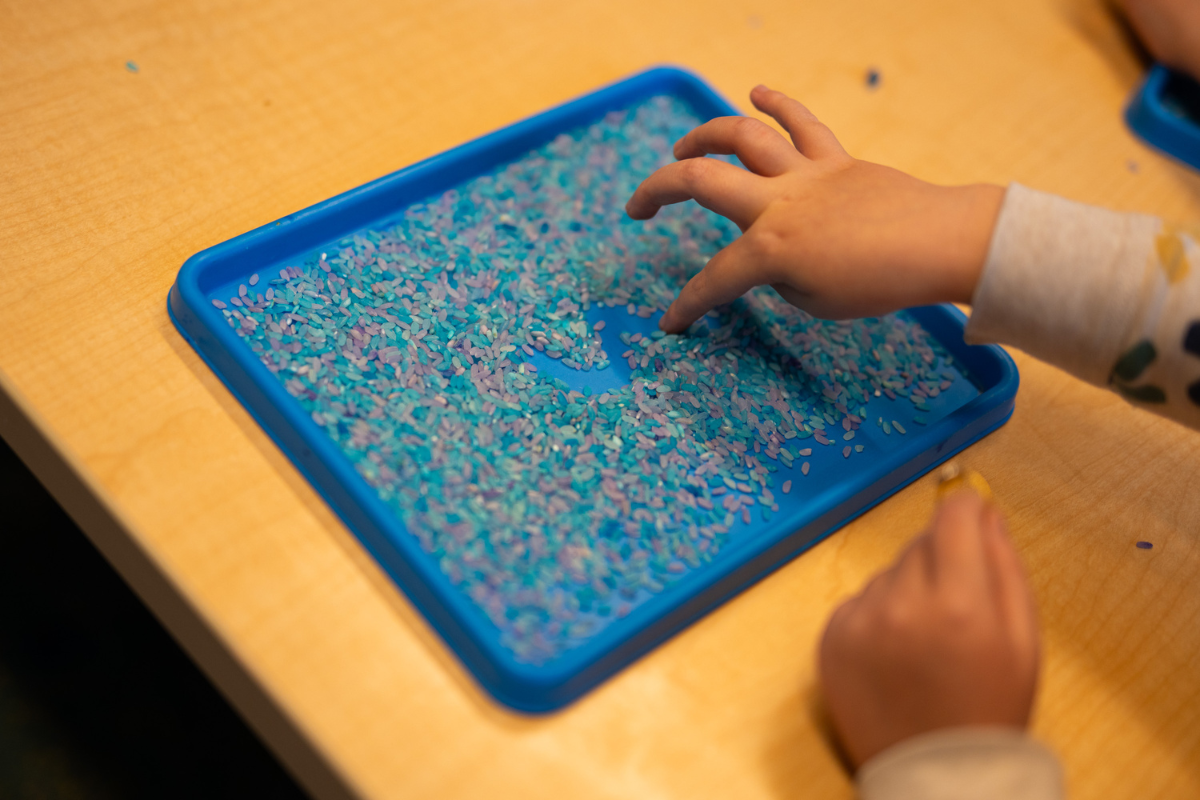
Kindergartener using a sensory writing tray to learn and practice letter sounds
Blending Sounds Into Words
Blending is the skill that allows children to combine individual sounds together to form a word. For example, hearing /s/ /u/ /n/ and recognizing the word “sun.”
This is one of the most exciting milestones in early reading because it’s the moment many kids realize they can read words on their own. At the same time, blending can take time to practice, and it’s completely normal for children to need lots of repetition before it clicks.
As an early literacy specialist, I try to avoid encouraging children to guess words from pictures alone. Strong readers learn to decode by blending sounds together. Simple CVC words, playful oral sound games, and stretching sounds slowly can help children build this skill over time.
Early Phonics Skills
Phonics helps children understand how letters and sounds work together in written language. This is the skill that starts helping children crack the reading code.
In kindergarten, phonics instruction should include learning short vowel sounds, beginning consonants, and simple word patterns before moving into more advanced phonics concepts.
What I love about phonics instruction is that it gives children tools to figure out unfamiliar words all by themselves. Instead of memorizing hundreds of words, they start learning how to apply sound patterns to new words they come across while reading.
Sight Words
Sight words are common words children see frequently in books and early readers, like “the” and “you.” Some are fully decodable, while others contain spelling patterns that are less predictable for beginning readers.
I try to teach sight words in a way that still connects sounds to print whenever possible. We use the Heart Method here at Big City Readers, which helps children identify the parts of a word that follow normal phonics patterns and which parts need to be remembered by heart.
This keeps sight word practice connected to decoding instead of turning it into pure memorization. Over time, repeated exposure through books and activities helps these words become more automatic and comfortable for children.
For families who want extra guidance, I also created a Kindergarten Sight Word Mastery workbook that walks you through 50 essential sight words using the Heart Method. It’s a great resource for keeping sight word instruction connected to phonics instead of memorization.
Simple Ways to Make Early Reading Practice Stick
Young children learn best when literacy practice feels playful and part of everyday life. Reading instruction doesn’t need to take hours every day to be effective. Shorter activities often work better for kindergarteners than long lessons that leave everyone feeling frustrated.
It also helps to remember that reading development is rarely perfectly linear. Some skills take longer to click than others, and that’s completely normal. One of the biggest benefits of homeschooling kindergarten is having the flexibility to slow down and follow your child’s pace.
Here are a few simple ways to help early reading skills stick at home:
Read aloud together every day to build vocabulary and comprehension
Keep literacy activities short so reading practice stays manageable and fun
Practice rhyming, syllables, and beginning sounds during everyday routines
Revisit foundational reading skills often instead of rushing ahead too quickly
Use movement and hands-on activities to make literacy practice more engaging
Go back to sound awareness activities if blending or decoding feels difficult
Celebrate small reading wins to help your child build confidence over time
Take the Next Step With Your Homeschool Curriculum
Teaching your child to read at home can feel like a lot sometimes, especially when you’re trying to figure out which early literacy skills matter most in the beginning. The best way to support your kindergartener is to keep reading playful, engaging, and low-pressure.
If you’d like extra support with your homeschool curriculum, my Kindergarten Ready course was created specifically for families who want a flexible approach to early literacy. Inside the course, we work on things like phonological awareness, early phonics, and sight words through short video lessons that fit into your everyday life at home.
Have any questions about your homeschool curriculum? Send me a DM on Instagram @bigcityreaders or leave a comment below—I’m always here to help! And be sure to check out our other blogs for more kindergarten reading activities and literacy support: