Online Summer Reading Programs for Grades K-3 (2026)
Finding the right online summer reading program can make a huge difference for early readers, especially during the long stretch between school years. Summer routines tend to look very different, and reading habits can easily shift during that time, too.
A little practice over summer break can help children hold onto the progress they worked so hard for during the school year while building even more confidence before fall. And don’t worry, this doesn’t have to mean struggling through boring worksheets at the kitchen table.
Some of the most meaningful reading growth happens during short, intentional moments worked into your everyday routines. In this guide, we’ll walk through what to look for in a summer reading program and some of my favorite ways to keep reading fun this season.
If you’re new here, hi! I’m Miss Beth, an early literacy specialist and the founder of Big City Readers. My goal is to help parents feel confident supporting their children’s reading journey at home with playful, research-backed strategies rooted in the Science of Reading.
Why Summer Reading Programs Can Be a Huge Help
Summer break gives kids a chance to slow down and take a break from busy school routines. That reset can be wonderful, but long stretches without reading practice can also make it harder for some of them to jump back into school confidently in the fall. It’s called the “summer slide.”
Reading gets stronger with regular exposure, especially in the elementary years when children are still building foundational literacy skills like decoding, spelling, and comprehension. Even a few short reading activities each week can help keep those skills strong over summer break.
That’s one reason online summer reading programs can be incredibly helpful. They provide gentle structure and consistent practice without needing to recreate the classroom at home. Small, playful moments that keep children engaged really do add up over time.
How To Choose the Right One for Your Child
There are so many online summer reading programs for kids available now, which can make choosing the right one feel overwhelming. Honestly, most parents are just trying to figure out what’s actually worth their time. Instead of looking for the flashiest program, focus on finding one that supports foundational reading skills in a way that feels realistic for your family.
A strong summer reading program should:
Teach reading skills step-by-step
Build phonological awareness
Keep lessons short and engaging
Include hands-on learning opportunities
Support reading confidence without pressure
Be flexible enough for summer schedules
It’s also helpful to choose programs that match your child’s current reading stage instead of only focusing on grade level. Some children need extra support with foundational skills, while others are ready for more advanced spelling and fluency work.
At Big City Readers, our lessons are intentionally short because young children often learn best through steady, manageable practice rather than long academic sessions.
Online Summer Reading Programs for Kindergarten
Kindergarten is a big transition, and summer is a fantastic time to strengthen the foundational skills that help children feel more confident entering the classroom. For incoming kindergarteners, some of the most important reading skills to focus on include:
Letter sounds
Rhyming
Blending sounds into words
Syllables
Phonological awareness
Early handwriting skills
Sight word exposure
Listening comprehension
Our Kindergarten Ready course was designed specifically for this stage. Inside the course, children work through short, engaging lessons focused on foundational skills like letter sounds, blending, rhyming, syllables, sight words, and simple early words.
Each lesson includes hands-on activities so children are actively participating rather than simply staring at a screen. Parents also get printable resources, activity ideas, and curated book lists that make it easier to fit in practice time around summer vacation.
First Grade Reading Programs for Summer Learning
First grade is typically where children move into more independent decoding and sentence reading. It’s an exciting stage, but it can also reveal areas where children need extra support.
Over summer break, first graders benefit from continued practice with:
Blending sounds
Decoding unfamiliar words
Reading fluency
Sentence building
Heart words
Spelling patterns
Reading comprehension
Writing confidence
Our First Grade Bootcamp course focuses on strengthening these skills through interactive video lessons. We cover topics like blending sounds, understanding sight words, practicing decodable sentences, and building stronger sentence-writing skills.
The course also includes read-alouds and hands-on activities that help keep young readers engaged while building critical literacy skills over summer break. It’s a great way to build stronger reading habits through playful, low-pressure practice.
Supporting 2nd & 3rd Grade Readers Over Summer Break
By second and third grade, kids are reading longer texts and using their reading skills to learn new information across subjects. It’s also often the stage where parents notice that reading feels either much easier for their child or suddenly much harder.
Some children avoid longer books because decoding long words feels exhausting. Others struggle with spelling patterns that were never fully mastered earlier on. Summer can be a great time to strengthen those skills without the pressure of homework and packed schedules.
Some important reading skills to focus on during these years include:
Multisyllabic word decoding
Spelling rules and patterns
Prefixes and suffixes
Reading fluency
Vocabulary development
Writing stamina
Reading comprehension
Our Mastering Spelling Rules course was created to help elementary readers make sense of spelling and decoding patterns in a more structured and approachable way. Inside the course, we cover topics like vowel teams, syllable types, r-controlled vowels, suffix rules, and common spelling patterns that help reading and writing start to feel more automatic over time.
The Best Summer Reading Program for Parents of Early Readers
Sometimes the hardest part of supporting your child’s reading journey at home is figuring out what matters most and which advice to follow. Parents hear so many different opinions about everything from reading instruction to leveled books that it can get overwhelming fast.
That’s exactly why we created the Raising Readers workshop for parents and teachers. It was designed to help you better understand the science behind how children learn to read and which foundational skills support long-term reading success.
We’ve had parents tell us this workshop completely changed the way they think about reading instruction because it helps connect the “why” behind everything their children are learning. If you want to feel confident supporting your child’s reading growth at home, this is where to start.

Low-Pressure Summer Reading Ideas for Families
Some of the best summer reading activities barely feel like “school” at all—and that’s the point. Children build literacy skills through conversation, movement, and everyday activities. When reading feels enjoyable and low-pressure, kids are much more likely to stay consistent.
Here are some of my favorite ways to keep reading fun during summer:
Read books outside on a blanket
Listen to audiobooks on road trips
Write postcards to family members
Read recipes together before baking
Play rhyming games in the car
Visit the library once a week
Use sidewalk chalk for sight words
Read poolside during breaks
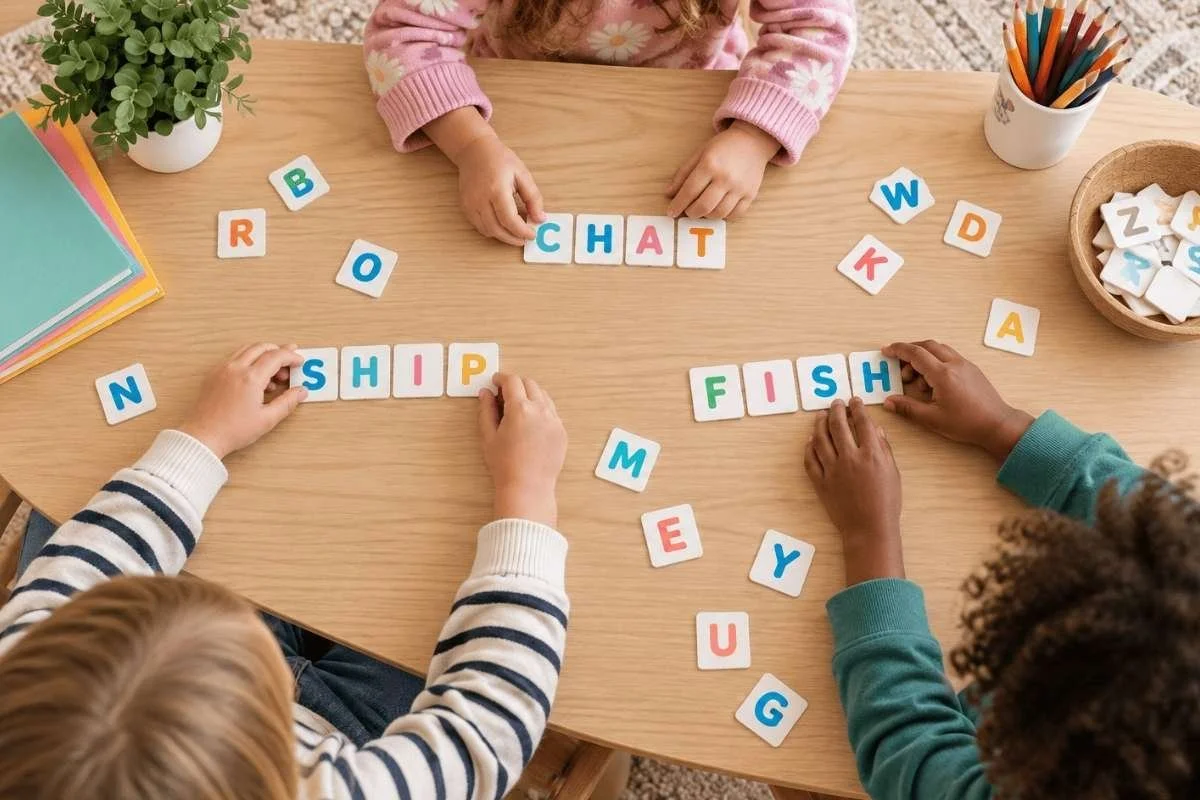
Practice spelling words with magnetic letters
Read menus and signs while running errands
Remember, reading practice doesn’t need to be formal to support meaningful reading growth.
Summer Reading FAQ
What Is the Best Online Summer Reading Program for Kids?
The best online summer reading programs help children build foundational literacy skills while keeping learning manageable and engaging. Look for programs that include phonics, decoding, spelling, and hands-on learning opportunities that match your child’s reading stage.
How Can I Prevent Summer Learning Loss?
Consistent practice is one of the best ways to prevent summer learning loss. Even 10 minutes of reading, read-alouds, or literacy activities a few times a week can help children maintain crucial reading skills over summer break.
Are Online Summer Reading Programs Worth It?
Online summer reading programs can be incredibly helpful for maintaining reading confidence and strengthening literacy skills before the new school year. Many children benefit from having structure and guided practice during the summer months.
What Reading Skills Should Kids Practice Over Summer?
Early readers benefit from practicing phonological awareness, phonics, blending, fluency, spelling patterns, comprehension, and writing skills. The exact focus depends on your child’s age and current reading level.
Helping Your Reader Feel Confident Before the New School Year
Online summer reading programs give kids a chance to continue building confidence with language and spelling between pool days and playdates. I’ve watched children return to school feeling more confident and capable because of their continued exposure to reading over break.
A few intentional moments throughout the week can go a long way, especially for early readers. Whether your child is working on letter sounds or spelling rules, steady practice paired with encouragement can make the transition into a new school year feel a whole lot smoother.
Have any questions about summer reading programs for your child? Send me a DM on Instagram @bigcityreaders or leave a comment below! And for more ways to support your child’s learning journey, be sure to check out our other blogs: