Phonics for Kindergarten: 10 Activities That Make Reading Practice Fun
Phonics for kindergarten gives children the tools to figure out words they've never seen before, and that’s such an exciting milestone! Every new letter sound, every word they blend, and every sentence they read is another step toward becoming a confident reader.
Knowing which skills your child is practicing in school makes it easier to support them at home, so I’ve rounded up some of my favorite phonics activities for kindergarteners. They all reinforce the same foundational skills kids are learning in the classroom while making reading enjoyable.
If you’re new here, hi! I'm Miss Beth, a reading specialist who believes parents don't need to become reading specialists to help their children succeed. At Big City Readers, you'll find research-backed strategies that are easy to understand and designed for real life.
What Parents Should Know About Phonics for Kindergarten
Phonics teaches children how letters and sounds work together to form words. As they learn those connections, they start decoding unfamiliar words instead of relying on pictures or memorization. It's one of the most important building blocks of learning to read.
Kindergarten is an especially exciting time because it’s when kids start putting those pieces together. They practice letter sounds, blend sounds into simple words, and begin recognizing spelling patterns they'll continue using as they navigate their reading journey.
One quick note, because these terms are easy to mix up: phonics is different from phonemic awareness. Phonemic awareness is all about hearing and manipulating sounds in spoken words. Phonics connects those sounds to printed letters.
Both are essential, and together they give children the foundation they need to become confident readers.
What Phonics Skills Do Kindergarteners Learn?
Every school has its own reading curriculum, but most kindergarteners spend the year building many of the same foundational skills. These concepts prepare children to read increasingly complex words as they move through elementary school.
By the end of the school year, many children are learning to:
Identify and produce the sounds for uppercase and lowercase letters
Blend sounds to read simple consonant-vowel-consonant (CVC) words like cat, sit, and hop
Break down CVC words into individual sounds for spelling and writing
Read and spell common high-frequency words
Recognize common digraphs like sh, ch, th, and ck
Decode simple words with short vowel sounds
Read decodable books that match the phonics patterns they've learned
Some children master these skills quickly, while others may need more repetition and practice before everything clicks. Every kindergartener learns at their own pace, and it’s completely normal if progress isn’t perfectly linear.
10 Fun Phonics Activities for Kindergarten
Phonics activities provide repeated opportunities to connect letters and sounds in meaningful ways. If you have five minutes before dinner or a little extra time on the weekend, try one out! They’re great for helping reinforce the skills your child is already learning at school.
Here are 10 phonics activities to try with your kindergartener:
Go on a Letter Sound Hunt
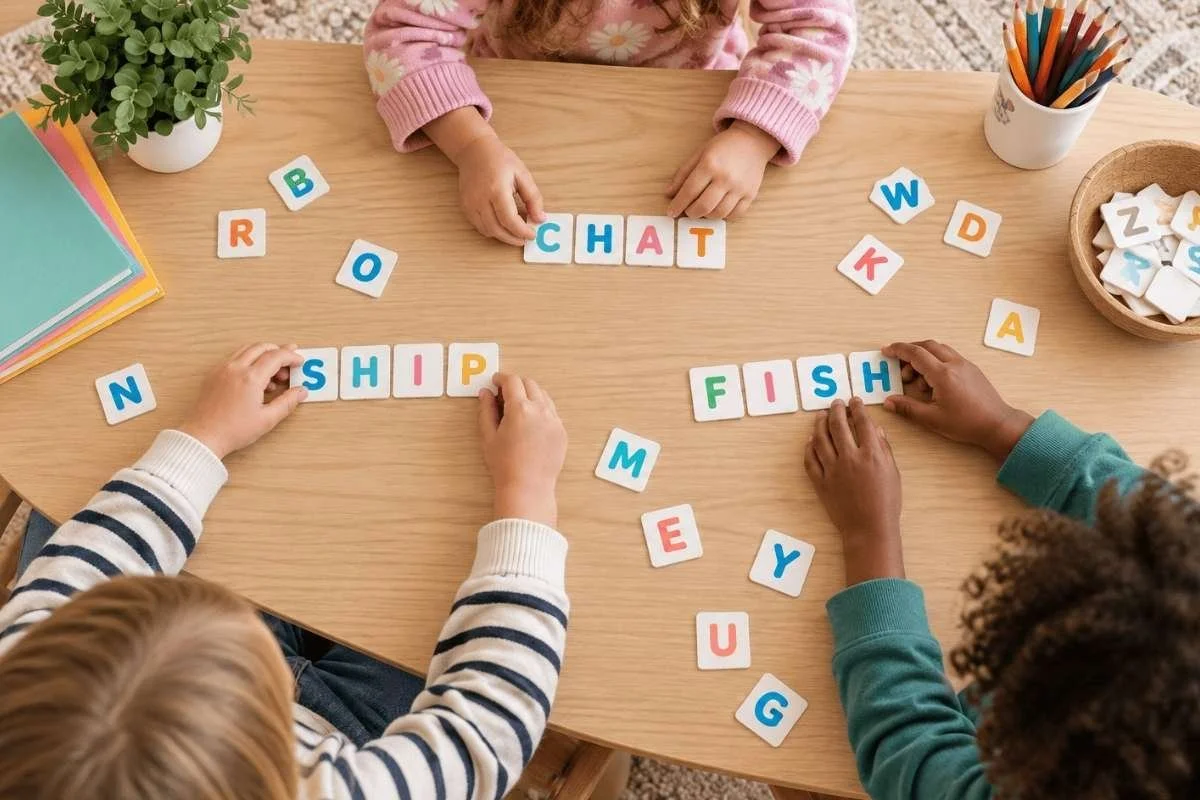
Build Words with Letter Tiles
Create Word Chains
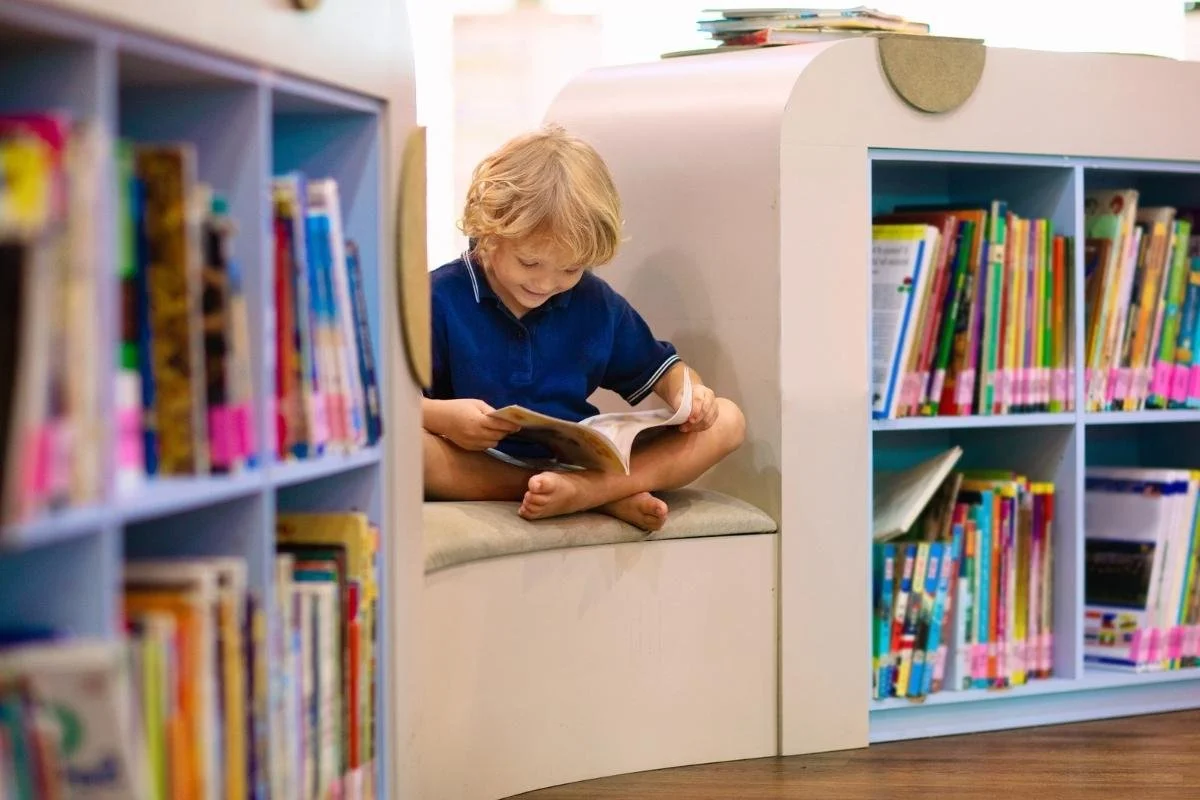
Read Decodable Books Together
Play Roll & Read
Try Phonics Bingo
Sort Words by Their Sounds
Practice Simple Dictation
Build Silly Sentences
Play Phonics Hopscotch
Go on a Letter Sound Hunt
Turn your home into the backdrop for a phonics adventure by choosing a letter sound and asking your child to find objects that begin with it. For example, if you're practicing the /m/ sound, they might find a magnet on the fridge or a mug in the cabinet.
This activity encourages children to connect letter sounds to real words they use every day. As they gain confidence, try ending sounds or vowel sounds for an extra challenge.
Build Words with Letter Tiles
Magnetic letters (or paper letters, or even plastic eggs like in the video below!) are great for hands-on phonics practice. Say a simple word like ‘map’ or ‘sit’ and have your child build it one sound at a time. Once they've built the word, swap one letter at a time to create a new one.
map → mop
sit → sat
pin → pan
Changing sounds one at a time helps children notice how the smallest changes can create entirely new words.
Create Word Chains
Word chains build on the same idea as the previous phonics activity but keep the learning going a little longer. Start with one simple word, then change a single sound each time.
For example:
cat
cot
dot
dog
dig
fig
Only one letter changes with each new word, so children start paying closer attention to each individual sound rather than guessing the word.
Read Decodable Books Together
When kids are learning phonics, they need books that allow them to practice the letter patterns they've already been taught. That's exactly what decodable books are designed to do. If you need any recommendations, here’s a roundup of my favorite decodable books!
While your child reads, encourage them to sound out unfamiliar words instead of telling them the answer right away. Giving them time to work through it on their own builds both decoding skills and confidence.
Play Roll & Read
Write simple phonics words in six rows on a piece of paper. Roll a die, then read every word in the matching row. Adding a die as a game element keeps practice fresh and engaging while giving your child the repeated reading they need to build accuracy and fluency.
Try Phonics Bingo
Instead of filling your bingo board with pictures, try using letters, digraphs, or short words that match your child's current phonics skills. Call out a sound or read a word aloud, then let your child find the matching square. It's an easy way to turn phonics review into a fun game.
Sort Words by Their Sounds
Write several words on small cards and sort them into groups with your child, whether it’s by digraphs like ‘sh’ and ‘ch’ or short vowel sounds like ‘cat’ and ‘sit.’ Word sorting helps children recognize spelling patterns, which is an important part of becoming a strong decoder.
Practice Simple Dictation
Say a simple word aloud and ask your child to write the sounds they hear. Start with words like dog, sun, bed, and map. After they've written the word, read it together. This connects reading and spelling while reinforcing the relationship between letters and sounds.
Build Silly Sentences
Once your child can read a handful of simple words, write them out on cards and challenge them to put those words together into short, funny sentences. For example:
The pig can hop.
The cat is mad.
The bug sat.
Pro tip: Children are much more motivated to practice when the sentences make them laugh.
Play Phonics Hopscotch
Use sidewalk chalk to draw squares, then write letters, digraphs, or words inside each one. You can also write them on pieces of paper and tape them to the floor.
Then, call out prompts like “Jump to sh!” or “Jump to fish!” Adding movement is a great way to keep active kids engaged while reinforcing essential kindergarten phonics concepts.
Tips for Practicing Phonics at Home
The wonderful thing about phonics practice is that it fits naturally into everyday life. You can always find moments to strengthen the skills your child is learning in kindergarten, whether it’s before bed or during a trip to the playground.
Here are some helpful tips for practicing phonics skills at home:
Keep it short. Five to ten focused minutes is plenty. Ending on a positive note helps your child look forward to the next session.
Practice what they're learning at school. Reinforcing familiar letter sounds and word patterns helps build confidence through repetition.
Make it hands-on. Use magnetic letters, sidewalk chalk, whiteboards, or simple games to keep learning interactive. Lots of kids learn with their hands!
Give them time to sound it out. Resist the urge to jump in with the answer. Working through a word is where much of the learning happens.
Read together regularly. Read aloud to your child, and give them opportunities to practice with decodable books that match the phonics skills they're learning.
Want a little extra support? Kindergarten Ready is my step-by-step video course that helps children build the foundational reading skills they need to become confident readers.
It’s full of short, interactive lessons that keep kids engaged, plus activity ideas, curated book lists, and printable resources so you can reinforce those skills at home with confidence.
Helping Your Kindergartener Become a Confident Reader
Learning to read is a journey, and every new letter sound and blended word is worth celebrating. By making phonics practice a regular part of your routine, you're helping your child build the skills and confidence they'll use every time they pick up a book.
Remember, progress looks different for every child. Stay consistent, keep reading together, and make space for curiosity along the way. Those small moments of practice really do add up.
Have any questions about phonics for kindergarten? Leave a comment below or send me a DM @bigcityreaders — I’d love to hear from you! You can also explore our recent blog posts for more reading tips, activities, and resources to support your family at home: