First Grade Summer Reading: What to Practice Before Second Grade
First grade is a huge year for reading growth, and summer break gives kids plenty of time to practice what they’ve learned. And if you’re already thinking, ‘There’s no way my child wants to do school work this summer,’ don’t worry. These first grade summer reading activities feel nothing like a classroom worksheet.
Some of the biggest progress happens through simple everyday activities, like making up silly stories or playing word games in the car. Ready for some low-pressure, fun ways to avoid the summer slide? Here’s a roundup of my favorite summer reading activities to get you started.
If you’re new here, hi! I’m Miss Beth, the founder of Big City Readers. As an early literacy specialist, I help parents and children turn learning to read into a joyful experience through playful strategies rooted in the Science of Reading.
Why Does Summer Reading Practice Matter?
First grade is when many children start shifting from early reading skills into more independent reading. During this time, they’re working on decoding, improving fluency, building comprehension, and learning how to read with more confidence.
When early readers go months without regular practice, it’s easy for some of those skills to feel rusty by the end of summer. That’s why summer reading practice can be so helpful.
First graders who continue interacting with books, language, and writing over summer break often head into second grade feeling much more comfortable and prepared.
And it doesn’t have to take over your whole summer to make a difference. A few literacy activities each week can help your child strengthen those skills while still enjoying vacations and summer fun.
What Should First Graders Know Before Second Grade?
By the end of first grade, many children are still building the foundational skills that support fluent reading. Summer is a great time to continue practicing those skills in relaxed ways that help reading feel encouraging and approachable.
Some important first grade reading skills to practice over summer include:
Decoding unfamiliar words
Reading simple sentences fluently
Recognizing spelling patterns
Improving comprehension
Building vocabulary
Writing complete sentences
Strengthening reading stamina
Growing reading confidence
One thing I always remind parents is that reading growth rarely happens evenly. Some children fly through phonics but still struggle with fluency. Others understand stories really well but need more support sounding out unfamiliar words.
Continued exposure is the best way to support the literacy skills they’re still working on, which is why we created First Grade Bootcamp. The course features short, guided lessons on everything from building sentences to mapping sight words, with hands-on activities to keep kids engaged.
First Grade Summer Reading Activities for Literacy Growth
First grade summer reading activities can feel fun while helping children strengthen the literacy skills they need before second grade. At this stage, many kids are building more independence with reading, which makes summer a great time to keep practicing through playful activities.
Phonics & Decoding Activities
Many first graders are still building confidence, sounding out unfamiliar words, especially as books start getting a little more complex. Summer is a great time to slow down and continue practicing those decoding skills in ways that feel playful and encouraging.
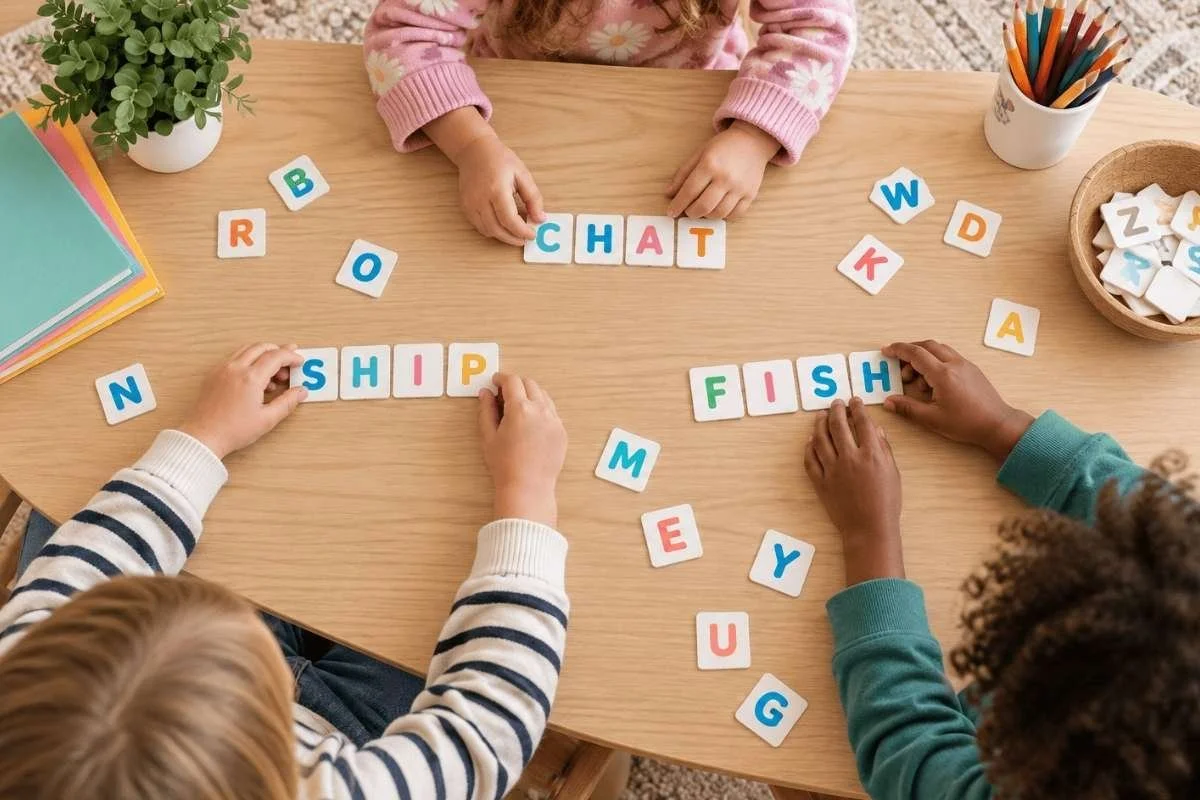
Word ladders are one of my favorite decoding games because they help kids pay attention to individual sounds within words. You can start with a simple word like “cat” and change one sound at a time to create new words like “bat.”
Decodable readers and vowel pattern hunts are also helpful ways to strengthen phonics skills during summer reading practice.
Reading Comprehension Activities
As children start reading more independently, we want them to think about the story itself, not just getting through the words on the page. Talking about books together helps them strengthen comprehension while making reading feel more interactive and engaging.
After reading together, ask your child to retell the story in order or explain their favorite part. You can also pause occasionally and ask questions like, “What do you think will happen next?” or “Why do you think that character made that choice?” Simple conversations like these help naturally strengthen comprehension.
Spelling & Writing Activities
First grade is such an exciting stage for writing because children are starting to experiment more with their own ideas and stories. Giving kids opportunities to write during summer helps reinforce spelling patterns, sentence structure, and reading confidence all at once.
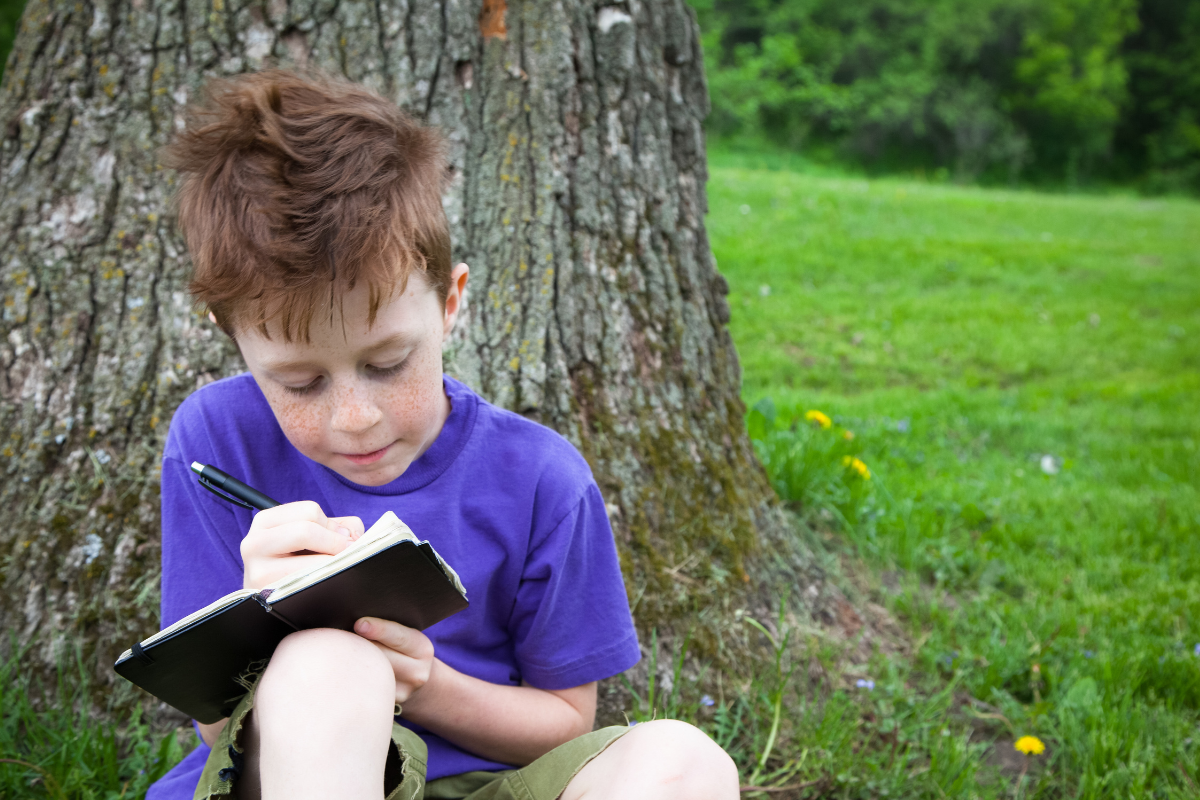
Children can write postcards during vacations, create silly comic strips, keep short journals, or write stories about their favorite summer activities. Sentence expansion games are another fun option. Start with a short sentence like “The dog ran” and work together to add more details.
Listening & Vocabulary Activities
Listening comprehension and vocabulary still matter a lot during first grade, even as children become stronger independent readers. In many cases, children can understand much more advanced stories through listening than they can comfortably read on their own.
Don’t underestimate the power of family read-aloud sessions during this time. Chapter books before bed expose children to richer vocabulary and longer stories, while conversations about interesting words help strengthen comprehension over time.
Story retelling games and kid-friendly podcasts can also support vocabulary growth in fun, low-effort ways.
Tips for Making Summer Reading Enjoyable
First grade summer reading should feel playful and supportive, not exhausting. Children are much more likely to keep practicing when reading feels connected to fun and creativity. Summer reading doesn’t need to look perfect to help your child grow as a reader.
Here are a few simple ways to keep reading practice enjoyable:
Let your child reread favorite books as often as they want
Take turns reading pages together
Keep books accessible around the house and in the car
Celebrate effort and progress
Let your child choose books that match their interests
Pair reading time with cozy or relaxing moments during the day
Keep literacy activities short when attention starts fading
Boosting Reading Confidence Over Summer Break
First grade summer reading can help children head into second grade feeling more confident and capable with reading. Small moments of reading, writing, and conversation throughout the summer really do add up over time, especially when practice feels positive and approachable.
Whether your child is sounding out words during a road trip or writing silly stories at home, those moments are helping strengthen important literacy skills while building confidence along the way. Reading growth takes time, and your support matters more than you know.
Have questions about any of these first grade summer reading activities? Send me a DM on Instagram @bigcityreaders or leave a comment below! For more ways to strengthen your child’s reading skills, don’t miss our other blogs: